
Best Time to Visit Norway: Month-by-Month Travel Guide
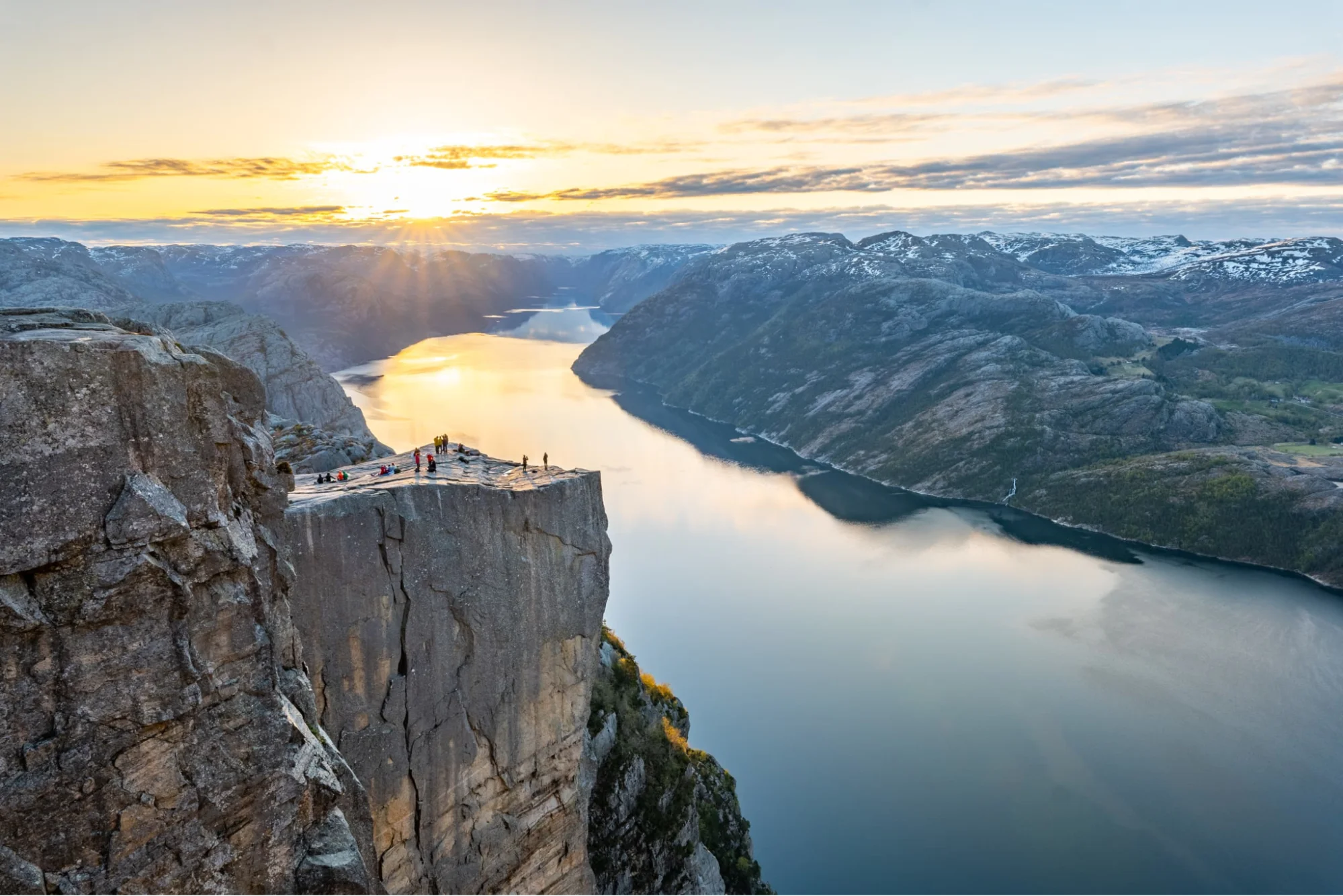
The best time to visit Norway depends on the Norway you want to experience. A summer journey means long daylight, open scenic roads, active fjord routes and outdoor dining. An autumn trip brings colour, quieter cities and the return of dark Arctic skies. Winter is designed around snow, Northern Lights attempts and warm lodge evenings, while spring combines melting snow, powerful waterfalls and fewer visitors.
There is no single month that is best for every traveller. June and July are excellent for first-time fjord touring; September can balance autumn colour with early aurora opportunities; February and March are strong for Arctic winter journeys; and late May through July is the defining period for the Midnight Sun in Northern Norway.
This guide compares every month by weather pattern, daylight, crowds, fjord access, Northern Lights potential and suitable itinerary style. Travellers who prefer a fully planned route can use the Luxury Norway Tour Package as a custom starting point for hotels, scenic rail, fjord cruises, Arctic extensions, flights and Schengen-document planning.
Norway Season Planner: Quick Answer
Interactive Norway Month Finder
Choose a month to see its travel mood, strongest experiences, practical route and main planning caution.
June: Long Days and Classic Fjord Touring
Weather: Mild summer conditions, but layers and rain protection remain necessary.
Suggested route: Oslo → Bergen → Flåm/Aurland → Nærøyfjord or Hardangerfjord.
Plan carefully: Popular scenic trains, fjord departures and central hotels should be booked early.
Norway Weather by Month: What the Numbers Really Mean
Norway stretches from the temperate south to the high Arctic, and coastal weather behaves differently from inland and mountain weather. A single national temperature cannot describe Oslo, Bergen, Flåm, Tromsø and the North Cape at the same time. The chart below is therefore a planning aid for typical southern Norway daytime conditions, not a forecast or a promise. Coastal western Norway may be wetter, Northern Norway is usually cooler, and mountain routes can feel wintry outside the core summer period.
Indicative Southern Norway Daytime Planning Range
Approximate comfort bands in °C. Always check destination-specific forecasts immediately before travel.
Weather Rule That Prevents Most Packing Mistakes
Pack for layers rather than a single season label. A waterproof outer layer, warm mid-layer, comfortable water-resistant shoes and a compact hat or gloves can be useful even during a summer fjord itinerary. In winter and the Arctic, thermal layers, insulated footwear and operator-specific clothing guidance become essential.
Norway Month by Month: Complete Travel Guide
| Month | Travel Character | Best Experiences | Aurora | Fjords | Main Planning Note |
|---|---|---|---|---|---|
| January | Deep winter, short daylight and strong Arctic atmosphere | Tromsø, Alta, snow activities, lodges, city breaks | Allow weather buffers and avoid overloading short daylight hours | ||
| February | Arctic winter with gradually improving daylight | Northern Lights, dog sledding, reindeer experiences, snow landscapes | High demand can affect Tromsø rooms and guided excursions | ||
| March | One of the strongest snow-plus-daylight balances | Aurora attempts, skiing, Arctic touring, late-winter fjords | Easter timing may raise prices and reduce availability | ||
| April | Spring in the south, late winter in northern and mountain areas | City breaks, spring skiing, quieter landscapes | Seasonal roads, hikes and attractions may still be unavailable | ||
| May | Fresh spring scenery, waterfalls and lighter crowds | Hardanger, Bergen, Flåm, scenic rail, early Midnight Sun in the far north | Confirm seasonal departures and mountain access before booking | ||
| June | Long daylight and classic first-time Norway conditions | Fjords, scenic trains, road trips, Midnight Sun | Book scenic transport and popular hotels well in advance | ||
| July | Warmest core summer month and peak visitor season | Full fjord network, hiking, cruises, Lofoten, family travel | Higher prices, busy routes and limited family-room inventory | ||
| August | Summer touring with gradually shorter evenings | Fjords, cities, scenic drives, hiking and coastal travel | Weather can become more variable later in the month | ||
| September | Autumn colour, fewer crowds and returning darkness in the north | Fjords, cities, photography and early aurora journeys | Some departures reduce after peak summer | ||
| October | Quieter autumn, darker evenings and changing weather | City breaks, autumn scenery, Northern Lights in the north | Not all summer experiences remain operational | ||
| November | Dark shoulder period moving toward established winter | Aurora-focused north, city dining, early festive atmosphere | Snow conditions are not equally reliable everywhere | ||
| December | Festive cities, polar-night atmosphere and Arctic winter | Christmas travel, Tromsø, snow activities, aurora attempts | Christmas and New Year availability should be secured early |
January: Deep Winter and Arctic Darkness
January is best for travellers who want winter to be the purpose of the trip rather than a background detail. Northern Norway offers long dark periods, snow experiences and strong Northern Lights potential. Oslo and Bergen remain useful gateways, but the route should not depend on long daylight sightseeing. Build the itinerary around warm interiors, guided activities and flexible evenings.
February: Snow, Aurora and Better Daylight
February retains winter atmosphere while daylight begins to improve. It suits couples, photographers and families with older children who want Arctic activities during the day and aurora attempts at night. A winter itinerary should normally include several nights in Tromsø, Alta or another northern base rather than a single rushed evening.
March: The Best Winter Balance for Many Travellers
March can combine established snow conditions, improving daylight and dark evenings in Northern Norway. It is one of the strongest months for travellers who want winter landscapes without the deepest polar darkness. The month also works well for a fjord-and-Arctic combination when transport is sequenced with realistic weather buffers.
April: A Transitional Month That Needs Precise Planning
April can feel like spring in Oslo and Bergen while mountain and northern areas remain wintry. It can offer quieter travel and spring skiing, but it is not the safest month for assuming that every summer hiking route, scenic road or attraction is open. Confirm each operational detail before treating a map-based itinerary as bookable.
May: Waterfalls, Blossom and Shoulder-Season Space
May is one of the most attractive months for travellers who prioritise waterfalls and a calmer fjord experience. Snowmelt strengthens cascades, Hardanger orchards become a seasonal highlight, and the tourist flow is generally lighter than July. It is also a strong honeymoon month for couples who want scenery and privacy without committing to an Arctic winter. Explore a Luxury Norway Honeymoon Package for a slower Oslo, Bergen, Flåm and fjord-view route.
June: Long Days and Full Scenic Potential
June is one of the best overall months for a first Norway visit. Fjord routes, scenic rail journeys, road trips and coastal experiences operate with long daylight and improving summer conditions. Northern Norway is already within the Midnight Sun period. Demand is high enough that scenic train seats, central hotels and desirable fjord stays should not be left until the final weeks.
July: Peak Summer and Maximum Choice
July offers the broadest choice of visitor infrastructure, hiking possibilities, cruises and family-friendly travel. It is also the busiest and often most expensive month. The correct July strategy is not to avoid famous places, but to protect the route through early reservations, two-night bases and alternatives to the most congested departure times.
August: Summer Touring with Softer Light
August remains excellent for fjords, cities and road trips. The later part of the month begins to feel calmer, with shorter evenings and more variable weather. It is a useful month for travellers who want summer access but do not need the latest possible daylight.
September: Fjords, Autumn Colour and Early Aurora
September is one of Norway's most flexible shoulder months. Fjord touring remains possible, autumn colour begins to develop, summer crowds soften and darkness returns far enough north for early aurora opportunities. It is particularly effective for photographers, couples and travellers who accept greater weather variability in exchange for atmosphere and space.
October: Quiet Travel and Stronger Northern Darkness
October suits travellers who prefer cities, autumn landscapes and a slower pace. Northern Lights planning becomes more established, but fjord and mountain operations may reduce. This is a month for deliberate routes rather than trying to reproduce a July itinerary at October prices.
November: Between Autumn and Full Winter
November can deliver dark northern skies and quieter hotels, but snow conditions are not equally reliable across the country. It works best when the itinerary is anchored around Arctic atmosphere, cultural experiences, food and flexible guided activities rather than a long list of snow guarantees.
December: Christmas Atmosphere and Polar-Night Travel
December is best for travellers who want festive cities, snow experiences, warm interiors and aurora attempts. Northern Norway has very limited direct sunlight, which creates a distinctive blue-hour atmosphere but requires careful pacing. For a detailed festive plan, read the Tromsø Christmas Market 2026 guide before selecting hotels and activity dates.
Visual Norway: Four Seasonal Moods
Open any image to view it in a full-screen lightbox.
When to See the Northern Lights in Norway
Northern Lights travel requires three things that no itinerary can command: darkness, clear skies and solar activity. Northern Norway generally offers the practical aurora season from late September to late March, with some conditions extending into April. A single night is not enough for a responsible aurora-focused plan. Use several nights and choose a base with worthwhile daytime experiences so the trip succeeds even without a sighting.
Northern Lights Season Guide
Best all-round winter balance
February and March
Snow atmosphere, improving daylight and dark evenings create a balanced Arctic programme.
Best for early-season colour
Late September and October
Autumn landscapes and returning darkness can work well, although snow is not the central promise.
Best for festive winter
December and January
Polar-night atmosphere, Christmas or New Year travel and long dark windows for guided aurora attempts.
Best Northern Lights Bases
- Tromsø: Strong flight access, broad guided-excursion choice and city facilities.
- Alta: A quieter Arctic base with inland weather options and winter experiences.
- Lofoten: Dramatic coastal scenery, but the itinerary needs more transport and weather flexibility.
- Lyngen and surrounding islands: Suitable for remote lodges and scenery-led Arctic stays.
- North Cape and Finnmark: Best for travellers seeking a more remote northern journey.
Can Northern Lights sightings be guaranteed?
No. Aurora forecasts, local guides and flexible travel to clearer areas can improve the opportunity, but cloud cover and solar activity remain outside the operator's control. The strongest itinerary includes several nights and meaningful daytime activities.
What time of night is best?
Activity can occur whenever the sky is sufficiently dark and clear. Late evening through the early hours is commonly used for guided searches, with many travellers planning the broad 11 p.m. to 2 a.m. window while remaining flexible to local forecasts.
Midnight Sun Calendar: Best Dates and Destinations
The Midnight Sun occurs above the Arctic Circle when the sun remains visible through the night. The farther north you travel, the longer the period lasts. It changes the rhythm of a Norway trip: sightseeing can extend into late evening, road journeys feel less pressured and photography gains long golden-light windows. Blackout curtains and sleep masks remain practical essentials.
Approximate Midnight Sun Dates
Dates are planning guides and can vary slightly with location, horizon and yearly astronomical timing.
Best Midnight Sun Itinerary
A strong seven-to-ten-night Midnight Sun route can combine Tromsø with Senja or Lofoten, rather than trying to cover every northern region. Choose a scenic base, include one coastal cruise or guided nature day, and protect at least one flexible evening for weather and photography.
Best Month for Norway Fjords
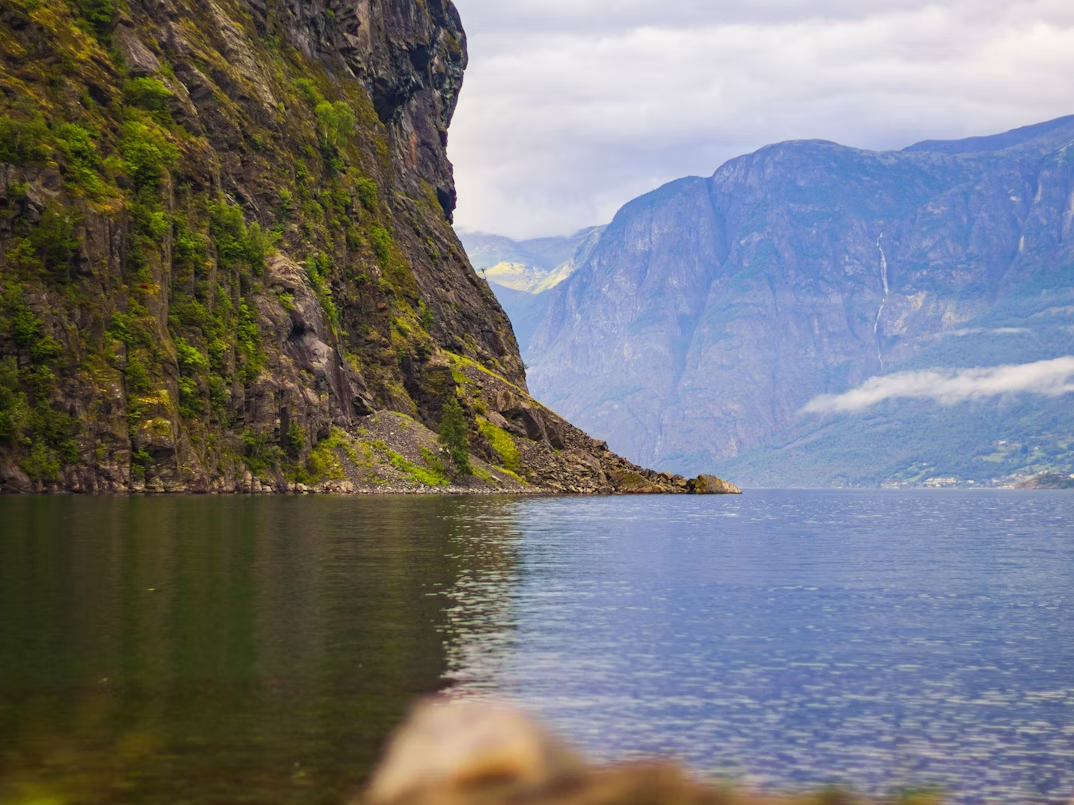
Norway's fjords can be experienced throughout the year, but the travel style changes substantially. Summer provides the fullest operating network and easiest first-time planning. Spring strengthens waterfalls and blossom routes. Autumn reduces crowds and brings colour. Winter offers quiet, snow-framed landscapes, but some accommodation and activities operate on reduced schedules.
Fjord Cruise Recommendations by Season
April–May
Best for: waterfalls, Hardanger blossom and lighter crowds.
Route: Bergen → Hardangerfjord or Flåm/Aurland.
June–August
Best for: maximum choice, long daylight and complete first-time routes.
Route: Oslo → Bergen → Flåm → Nærøyfjord or Geiranger.
September–October
Best for: autumn colour, fewer visitors and photography.
Route: Bergen → Sognefjord or Hardanger with confirmed schedules.
Travellers who want the fjords to be the centre of the holiday can start with the Norway Fjord Cruise Package. It can combine Bergen, Flåm, Nærøyfjord, Sognefjord or Hardangerfjord with scenic rail, carefully timed transfers and suitable overnight bases.
Which Fjord Is Best for a First Visit?
- Nærøyfjord: A narrow, high-impact landscape that fits naturally with Flåm and scenic rail.
- Sognefjord: Useful for a broader west-Norway route and multiple scenic branches.
- Hardangerfjord: Particularly attractive in spring for waterfalls and orchards.
- Geirangerfjord: Iconic summer scenery, but road and cruise timing needs careful coordination.
- Lysefjord: Suitable for Stavanger-based routes and selected seasonal cruises.
Suggested Norway Itineraries by Season
Choose a Seasonal Route
Summer: 9 Nights / 10 Days
Route: Oslo → Bergen → Flåm/Aurland → Nærøyfjord → optional Geiranger or Lofoten.
Focus: Scenic rail, fjord cruises, long daylight, viewpoints and comfortable road or rail movement.
Booking note: Reserve family rooms, scenic trains and fjord departures early.
Winter Itinerary: Fjords and Northern Lights
Use Oslo or Bergen as the southern introduction, then fly north for at least three nights in Tromsø or Alta. A balanced eight-to-ten-night route avoids trying to complete a full summer fjord circuit in winter. Build in guided snow activities, indoor alternatives and multiple aurora evenings.
Spring Itinerary: Waterfalls and Hardanger
Combine Oslo, Bergen, Flåm or Aurland and Hardangerfjord. May is usually easier than early April for a scenery-led route because more seasonal operations are established. The trip works particularly well for couples and travellers who value slower pacing.
Summer Itinerary: Classic Norway or Wider Scandinavia
Nine to twelve days can cover Oslo, Bergen, Flåm, Nærøyfjord and one deeper scenic region. Travellers with additional time can combine Norway with Copenhagen and Stockholm through a Scandinavia Tour Package, using flights and rail where they improve the route rather than increasing the country count for its own sake.
Autumn Itinerary: Fjords, Cities and Early Aurora
September can combine Bergen, a fjord base and Northern Norway. October is better treated as a quieter city-and-Arctic journey with confirmed fjord schedules. Keep weather-sensitive days flexible and avoid non-refundable connections with little buffer.
Best Time to Visit Norway by Traveller Type
For First-Time Visitors
Choose June, July or August when the widest range of transport and activities is available. September is a strong alternative for travellers comfortable with greater weather variability.
For Couples and Honeymooners
May, June and September suit fjord-view stays, long evenings and a less rushed atmosphere. December through March suits couples who prefer Arctic lodges, snow, sauna evenings and Northern Lights attempts.
For Families
June to August is easiest for family rooms, outdoor attractions, scenic transport and long daylight, though it requires early booking. For age guidance, realistic costs and child-friendly routing, read Family Holidays to Norway 2026.
For Photographers
September and October provide autumn colour and lower-angle light. February and March combine snow, improving daylight and aurora potential. Midnight Sun photographers should use late May through July in Northern Norway.
For Value-Conscious Luxury Travellers
May, September and selected October dates can offer a better balance of availability and atmosphere than peak July, but route operations must still be checked. Value does not necessarily mean choosing the cheapest month; it means matching the season to the experiences that will actually operate.
Norway Packages Matched to the Right Season
Norway Fjord Cruise Package
Best for May–September routes focused on Bergen, Flåm, Nærøyfjord, Sognefjord and scenic transport.
Explore Fjord PackageLuxury Norway Tour Package
A custom year-round route with premium stays, private transfers, scenic rail, fjords and optional Arctic extensions.
Explore Luxury NorwayLuxury Norway Honeymoon Package
Designed for romantic fjord seasons, winter aurora stays, scenic suites, private moments and slow pacing.
Explore Honeymoon PackageScandinavia Tour Package
Best when long summer daylight or a planned winter route connects Norway with Sweden and Denmark.
Explore ScandinaviaHow Far in Advance Should You Book Norway?
- June–August: Start three to six months ahead for scenic trains, fjord cruises and popular stays.
- Christmas and New Year: Start four to eight months ahead for Arctic hotels and festive flights.
- Northern Lights season: Start three to six months ahead for guided chases, distinctive lodges and snow activities.
- Luxury honeymoon or private travel: Book early when room view, suite category and private transfer timing matter.
- Scandinavia multi-country routes: Allow additional planning time for open-jaw flights, rail and Schengen documentation.
Final Recommendation: Which Month Should You Choose?
Choose June or July when you want the easiest classic Norway route with fjords, scenic rail and long daylight. Choose May or September when you want shoulder-season atmosphere and can accept more operational or weather variation. Choose February or March for a balanced Arctic winter with snow, daylight and Northern Lights potential. Choose late May through July for the Midnight Sun in Northern Norway.
The final month should be selected after deciding the primary experience, not before. A fjord cruise, aurora journey, honeymoon, family holiday and three-country Scandinavia route each need a different calendar and transport logic.
Best Time to Visit Norway – FAQs
June is one of the best all-round months because daylight is long, fjord routes are active and the main scenic transport network is operating. July offers the widest choice but is busier. September is a strong alternative for fewer crowds, autumn colour and possible early Northern Lights in the north.
Plan Northern Norway from late September to late March, with several nights in Tromsø, Alta, Lofoten or another dark-sky base. February and March often provide a useful balance of snow, daylight and dark evenings. Sightings cannot be guaranteed.
June through August provides the fullest cruise and transport choice. May is attractive for waterfalls, blossom and lighter crowds, while September can offer autumn colour with fewer visitors. Winter cruises are possible on selected routes but require schedule checks.
The Midnight Sun is visible above the Arctic Circle from roughly mid-May to late July depending on latitude. Tromsø's commonly used planning period is around 20 May to 22 July, while the North Cape period is approximately 14 May to 29 July.
Yes. September can combine fjord travel, autumn colour, fewer crowds and returning darkness in Northern Norway. Weather is more variable and some seasonal departures reduce, so transport and activity schedules should be confirmed before booking.
December is suitable for Christmas atmosphere, Arctic winter, snow activities and Northern Lights attempts. It is not suitable for travellers expecting long daylight or a summer-style fjord circuit. Christmas and New Year hotels and flights should be reserved early.
Yes. A route can combine Oslo, Bergen or Flåm with Tromsø or Alta during the darker season. Plan at least eight to ten days, use flights where they protect time and allow several nights in Northern Norway for a realistic aurora opportunity.
Selected shoulder-season dates in May, September, October or November may offer better availability than peak July or festive December. The lowest room price is not always the best value if the desired cruise, road or attraction is not operating, so compare the complete itinerary rather than hotels alone.
Seven to nine days works for Oslo, Bergen, Flåm and one fjord route. Ten to fourteen days is better when adding Geiranger, Lofoten, Tromsø, Alta or another Scandinavian country. Winter itineraries also benefit from weather buffers.
Monthly climate patterns are useful for choosing a season, but Norway's coast, inland areas, mountains and Arctic regions differ considerably. Travellers should use monthly ranges for planning and check destination-specific forecasts shortly before each travel day.