
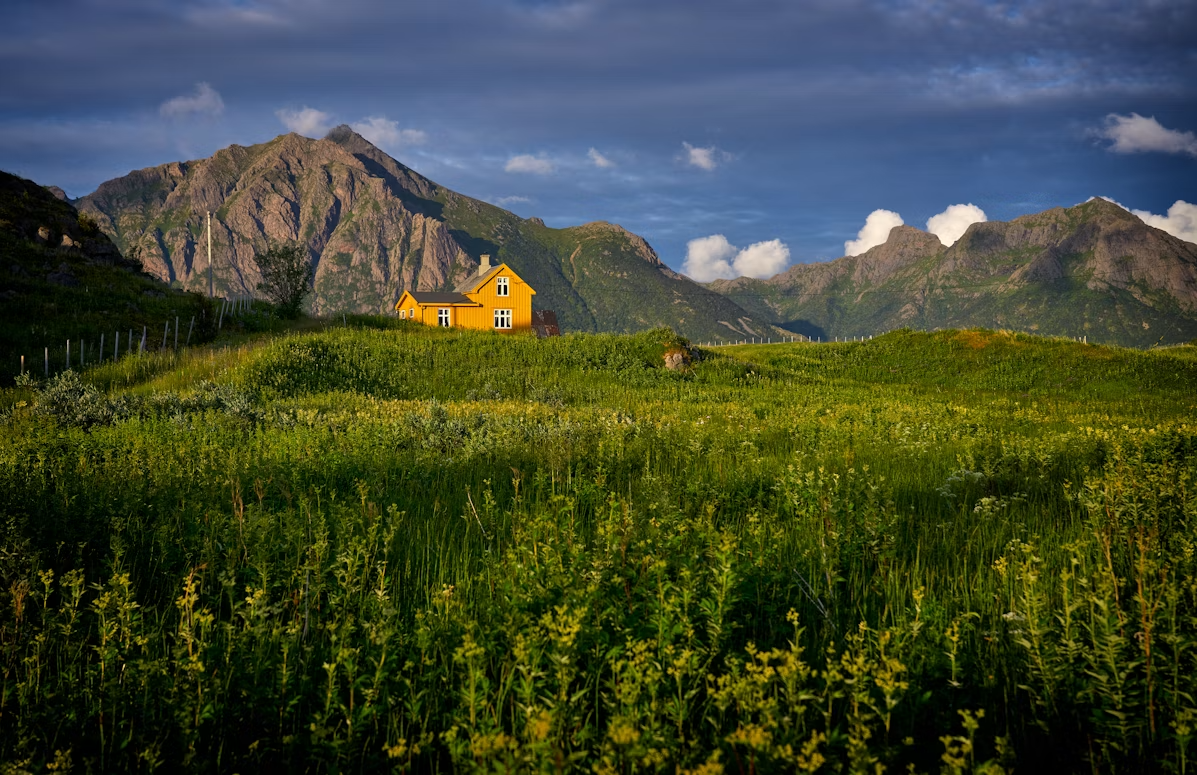
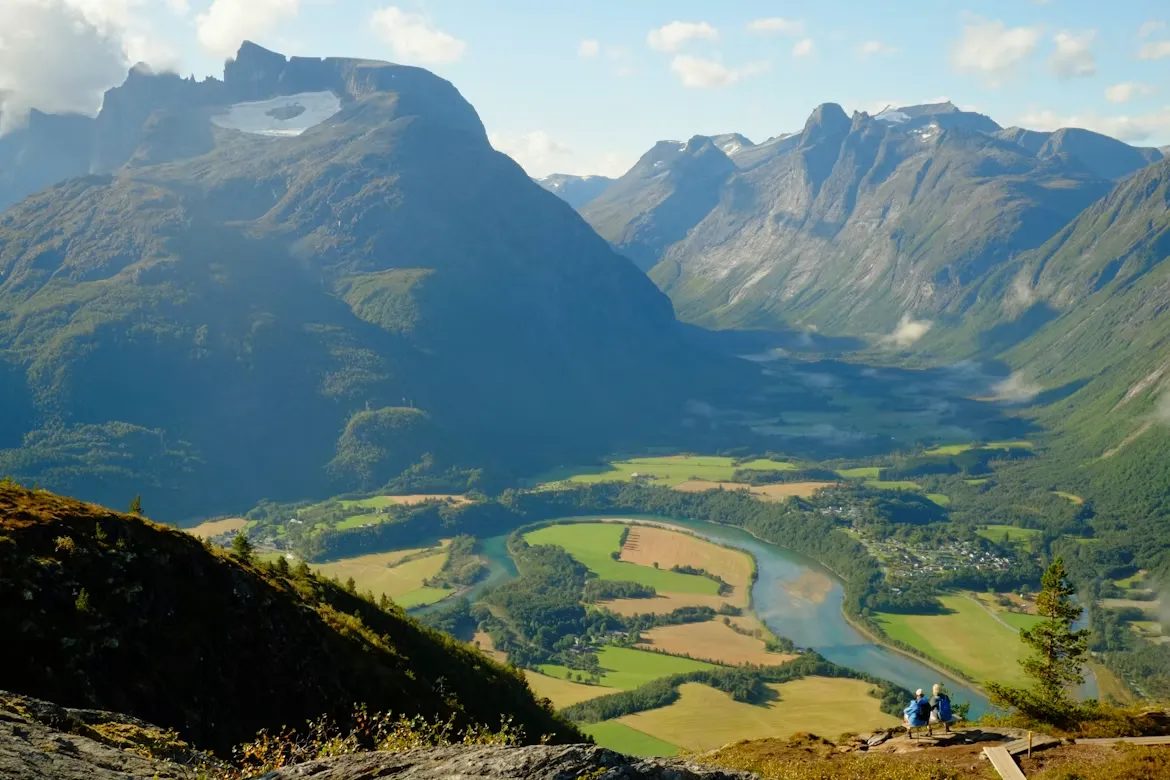
Norway is one of the rare family destinations where the travel itself becomes part of the holiday. A train climbs from Oslo into mountain country, a ferry slips between vertical fjord walls, waterfalls appear beside the road, and children who normally ask, “How long is left?” begin watching the window instead. The country is orderly and easy to navigate, but the scale of the landscape makes every day feel adventurous.
The difficulty is not finding things to do. It is choosing a route that does not become a sequence of early check outs, long transfers and one night hotel stays. A successful Norway family holiday in 2026 needs fewer bases, realistic travel times, family rooms reserved early, weather alternatives and activities selected around the ages travelling.
This guide explains what a family holiday to Norway should cover, how many days to allow, realistic planning costs, the best and least suitable travel periods, must see places, must try experiences, avoidable mistakes and age related activity restrictions. Families ready to move from research to a bookable route can explore our Norway family tour package for 2026, which can be customised around child ages, school holiday dates, preferred hotel category, flights, trains, fjord cruises and visa document planning.
Norway Family Holiday: Quick Planning Snapshot
Choose Your Family's Norway Style
Select the trip style closest to your family. The recommendation updates instantly.
Summer Fjords: The Easiest First Norway Holiday
Recommended duration: 8–10 days
Best months: June to August, with May and September for fewer crowds
Suggested route: Oslo → Bergen → Flåm/Aurland → Nærøyfjord
Family highlight: Scenic trains and fjord cruises with minimal physical difficulty
Why Norway Works So Well for Family Holidays
Norway combines high impact scenery with relatively low stress travel. Oslo and Bergen provide compact city bases with museums, parks, harbour walks and public transport. The Bergen Railway and Flåm Railway turn long distance movement into sightseeing. Fjord cruises allow grandparents, toddlers and school age children to experience dramatic landscapes without completing a difficult hike.
The country also works across age groups. Toddlers benefit from clean cities, short nature walks, reliable public facilities and apartment style stays. School age children usually enjoy trains, boats, waterfalls, farms, aquariums and snow play. Teenagers can add kayaking, cycling, climbing parks, photography, winter activities and longer hikes. Grandparents can share the same scenery through cruises, funiculars, cable cars and private scenic drives.
Norway is not a destination that rewards rushing. Its strongest family quality is the opportunity to slow down beside extraordinary scenery. Staying two nights in Bergen or a fjord village often creates better memories than adding another city simply because it appears on a map.
What a Norway Family Holiday Should Cover
1. Oslo: The Soft Landing
Oslo is the practical first stop for most families. Keep arrival day light: check in, walk along the waterfront and eat early. The city works best when treated as an easy introduction rather than a packed sightseeing sprint. Strong family options include the Bygdøy museums, Fram Museum, the Norwegian Museum of Cultural History, Vigeland Park, the Opera House roof, harbour ferries and seasonal outdoor attractions.
2. The Oslo–Bergen Railway: Travel That Children Remember
The rail journey between Oslo and Bergen crosses forests, lakes, high mountain plateaus and snow marked landscapes. Reserve seats together and treat it as a full travel day. Snacks, card games, downloaded entertainment and a window side rotation keep younger children comfortable, although the changing scenery often does most of the work.
3. Bergen: Harbour, Viewpoints and Rain Proof Family Fun
Bergen is an ideal two night base. Bryggen introduces children to Norway's maritime and trading history without requiring a formal history lesson. The Fløibanen funicular creates an easy mountain viewpoint, while the aquarium and science centre options provide useful weather backups. Rain is part of Bergen's character, so waterproof jackets matter more than umbrellas.
4. Flåm, Aurland and the UNESCO Fjord Landscape
Flåm and Aurland deliver the Norway families imagine before travelling: steep mountains, waterfalls, narrow fjords and scenic transport. A well planned day can combine the Flåm Railway, a Nærøyfjord cruise and an overnight fjord stay. Families with young children should avoid squeezing the entire experience into a rushed same day return with multiple unprotected connections.
5. One Deeper Fjord Base
Families with more time can add Hardangerfjord, Loen, Geiranger or another slower fjord base. Hardanger works well for waterfalls, orchards and scenic drives. Loen adds the Skylift and lake scenery. Geiranger delivers a classic fjord panorama, but road and cruise schedules need careful seasonal planning.
6. Optional Arctic Norway
Tromsø or Alta should be treated as a separate extension, not a quick detour. In winter, families can add Northern Lights evenings, reindeer experiences, dog sledding, snow play and Arctic scenery. In summer, Northern Norway offers the midnight sun, coastal landscapes and extended daylight. Add at least three nights so weather disruption does not consume the entire Arctic experience.
How Many Days Are Enough for a Family Holiday to Norway?
6–7 Days: A Focused Introduction
Choose Oslo, Bergen and one fjord experience. This duration works when leave is limited, but it requires disciplined planning. Do not add Tromsø, Geiranger and Stavanger to the same week.
8–10 Days: The Best First Time Family Duration
Eight to ten days allows Oslo, Bergen, Flåm or Aurland, a fjord cruise and a flexible nature day. It provides enough recovery after the international flight and reduces the need for daily packing. This is the strongest duration for a first Norway trip with children.
11–14 Days: Fjords Plus Arctic Norway or Scandinavia
Use the additional days for Tromsø or Alta, a deeper fjord stay, Lofoten, Lillehammer or a carefully paced Scandinavia extension. Families should still protect rest time rather than filling every day.
| Trip Length | Best Route | Suitable For | Main Compromise |
|---|---|---|---|
| 6–7 days | Oslo + Bergen + one fjord day | Older children, limited leave | Little room for weather disruption |
| 8–10 days | Oslo + Bergen + Flåm/Aurland + fjords | Most first time families | Arctic Norway should remain optional |
| 11–14 days | Classic fjords + Tromsø/Alta or deeper fjord base | Teens, multi generational trips, slower travel | Higher transport and accommodation cost |
Norway Family Holiday Cost in 2026
Norway is a premium destination, especially during school holidays. The largest cost variables are international flights, family room availability, hotel location, private transfers, domestic flights, scenic rail tickets and whether meals are included. The following figures are broad planning ranges for two adults and two children travelling from India; they are not fixed quotations.
| Travel Style | Typical Duration | Indicative Family Budget | Usually Covers |
|---|---|---|---|
| Smart self guided comfort | 7–8 nights | ₹5.5–₹7.5 lakh | Economy flights, central mid range stays, trains, one fjord cruise and selected activities |
| Comfortable customised family trip | 8–10 nights | ₹7–₹10 lakh | Better family rooms, reserved scenic transport, transfers, planned experiences and support |
| Premium or private itinerary | 10–12 nights | ₹10–₹15 lakh+ | Premium hotels, private scenic drives, upgraded rooms, Arctic extension and more inclusions |
What Changes the Price Most?
- June–August, Christmas, New Year and Indian school holiday demand
- Whether one family room is available or two separate rooms are required
- Oslo/Bergen city centre hotels versus apartments or fjord cabins
- Private road transfers compared with rail, bus and scheduled boats
- Tromsø, Alta or Lofoten domestic flights and winter excursions
- Flexible international airfares and checked baggage
Request a personalised quote through the Norway family holiday package page before treating any online estimate as final.
Best Time for a Norway Family Holiday in 2026
May to September: Best for an Easy Fjord Holiday
This is the easiest window for first time families. Scenic routes, fjord cruises, parks and outdoor attractions operate more consistently, while long daylight provides flexibility when children need breaks. June, July and August offer the warmest and generally most stable conditions, though popular routes are busy and family rooms sell early.
Late May and September: Better Balance of Value and Space
These shoulder periods can provide lighter crowds and more comfortable availability. Conditions remain variable, and some mountain routes or seasonal attractions may operate reduced schedules, so the itinerary needs checking before hotels are confirmed.
Late September to March: Best for Northern Lights
Families travelling specifically for the aurora should base themselves in Northern Norway and allow several nights. Darkness, clear skies and solar activity all matter, so no responsible itinerary guarantees a sighting. Winter also provides snow experiences, but daylight is limited and transfers need larger weather buffers.
May to July in Northern Norway: Best for the Midnight Sun
The midnight sun changes the rhythm of a family holiday. Children may be excited by daylight at bedtime, so blackout curtains and a consistent sleep routine become practical necessities rather than small details.
When Is Norway Not the Best Choice?
Norway does not have a universally “bad” season, but some periods are poorly matched to certain expectations.
- Late October and November: Often too dark and wet for a classic fjord summer experience, but not always reliably snowy enough for a full winter holiday.
- Early spring in mountain regions: Snowmelt, closed trails and seasonal road conditions can limit high altitude plans.
- Mid winter with toddlers: Very short daylight, bulky clothing and icy surfaces can make a transfer heavy itinerary tiring.
- Peak summer without advance booking: Family rooms, scenic trains and fjord departures may be expensive or unavailable.
The correct question is not “Is this a bad month?” but “Does this month support the experiences our family expects?”
Must Watch Places and Experiences in Norway
Nærøyfjord
A narrow UNESCO listed fjord landscape where mountains rise directly from the water. It delivers maximum visual impact with minimal physical demand, making it suitable across generations.
The Flåm Railway
One of Norway's signature rail experiences, descending between mountain scenery and waterfalls. Reserve seats early in busy months and avoid scheduling a tight onward connection.
Bryggen and Mount Fløyen in Bergen
Bryggen brings colour and maritime history; Mount Fløyen adds an easy viewpoint through the funicular. Together they form a strong family day without needing a car.
Oslo's Waterfront and Bygdøy Museums
The waterfront is easy for arrival day, while the museums create a useful combination of Viking, polar, maritime and cultural history for school age children.
Geirangerfjord, Loen or Hardangerfjord
Add one deeper fjord region rather than trying to see all three. Geiranger offers iconic viewpoints, Loen adds cable car access to mountain scenery, and Hardanger combines waterfalls, orchards and scenic roads.
Northern Lights or Midnight Sun
Choose according to season. The Northern Lights require darkness and patience; the midnight sun offers extended daylight and a completely different Arctic atmosphere.
Must Try Family Experiences and Norwegian Food
- Fjord cruise: The most inclusive scenic experience for toddlers, children, parents and grandparents.
- Scenic railway day: Bergen Railway or Flåm Railway with reserved family seating.
- Funicular or cable car: Mountain views without demanding hiking.
- Easy waterfall walk: Choose a short marked route instead of an ambitious summit.
- Family kayaking: Suitable only with an operator who confirms minimum age, swimming confidence and weather conditions.
- Reindeer or dog sledding experience: A strong winter option when operator welfare and child safety standards are clear.
- Norwegian waffles with brown cheese: A simple, child friendly local taste.
- Cinnamon buns and hot chocolate: Particularly welcome during cool or wet days.
- Fish soup or salmon: Widely available, though vegetarian requirements should be communicated early.
- Cabin evening: A quiet fjord or mountain stay can be more memorable than another formal attraction.
What can vegetarian Indian families eat in Norway?
Oslo and Bergen offer strong international and vegetarian dining choices. Smaller fjord villages have fewer options, so apartments, breakfast inclusive hotels and advance restaurant checks are useful. Carry familiar snacks for long rail and road days. Jain requirements should be shared clearly with hotels before arrival.
Should families carry food from India?
Carry sealed, permitted packaged snacks rather than relying on large quantities of homemade food. Check current customs rules before travel. Ready to eat items can be useful during long transfers, but city supermarkets provide fruit, bread, dairy products, salads and simple meal options.
What Families Should Avoid in Norway
- Avoid changing hotels every night. Norway's scenic transfers are long; constant packing makes the holiday feel like logistics.
- Avoid assuming “nearby” means quick. Fjords, ferries and mountains make map distances misleading.
- Avoid winter self driving without snow experience. Ice, darkness, snow and reduced visibility require preparation and confidence.
- Avoid promising children the Northern Lights. Present aurora hunting as an evening adventure, not a guaranteed event.
- Avoid unsuitable adult hikes. Famous viewpoints are not automatically family friendly, stroller friendly or safe in poor weather.
- Avoid booking non refundable transport too tightly. Weather and ferry schedules need buffer time.
- Avoid leaving family rooms until the last minute. Norway hotels may have limited room configurations for four people.
- Avoid relying on one weather plan. Every Bergen and Arctic day should have an indoor or softer alternative.
Age Guidance and Activity Restrictions
Norway itself has no general minimum age for family travel, but individual activities apply their own age, height, weight, swimming and weather rules. Confirm these before payment rather than after arrival.
| Experience | General Family Suitability | Important Restriction |
|---|---|---|
| Scenic trains and standard fjord cruises | Suitable for all ages | Stroller space and assigned seating should be checked |
| Funiculars and cable cars | Usually suitable for toddlers and grandparents | Weather can suspend operations |
| Kayaking | Better for confident school age children and teens | Minimum age and swimming ability vary by operator |
| RIB fjord safari | Often best for older children | Age, height and cold weather restrictions may apply |
| Glacier hiking | Generally an older child or teen activity | Guide, minimum age, fitness and equipment requirements apply |
| Pulpit Rock and demanding hikes | Suitable only for fit, experienced families | Not stroller friendly; weather changes quickly |
| Dog sledding and reindeer sledding | Family friendly with suitable operators | Very young children, extreme cold and passenger rules vary |
Norway with Toddlers
Use central hotels or apartments, keep two night minimum stays, reserve child seats in every transfer, plan early dinners and protect nap time. Oslo, Bergen and fjord cruises are easier than a complex mountain road trip.
Norway with School Age Children
This is an excellent age for scenic railways, boats, aquariums, farms, waterfalls, easy hikes and introductory snow activities. Build in free play rather than scheduling three attractions daily.
Norway with Teenagers
Teenagers can handle longer scenic days and may value kayaking, cycling, photography, climbing parks, Arctic activities or more demanding hikes. Let them influence at least one major activity.
Multi Generational Norway
Prioritise lifts, cruises, private scenic transfers, central accommodation and accessible rooms. Avoid itineraries that depend on steep walks, repeated luggage handling or unprotected train changes.
Sample 8-Night / 9-Day Norway Family Itinerary
Day 1: Arrive in Oslo
Check in centrally. Keep the day limited to a waterfront walk, an easy meal and rest after the flight.
Day 2: Oslo Family Day
Choose two core experiences rather than five: Bygdøy museums, Vigeland Park, harbour ferry, Opera House or a seasonal attraction.
Day 3: Scenic Train to Bergen
Travel during daylight with seats reserved together. Check in near the centre or harbour for easy dining and walking.
Day 4: Bergen and Mount Fløyen
Explore Bryggen, ride the funicular and keep the aquarium or science centre as a rain alternative.
Day 5: Bergen to Flåm or Aurland
Combine the scenic route with the Flåm Railway. Stay overnight instead of rushing back to Bergen.
Day 6: Nærøyfjord Cruise and Easy Nature Time
Cruise through the narrow fjord landscape. Add a short village walk, viewpoint or relaxed family activity according to weather.
Day 7: Fjord Extension or Slow Day
Use a private scenic drive, waterfall stop, farm visit, easy kayak session for eligible children or a cabin day. This flexible day protects the itinerary from weather fatigue.
Day 8: Return Toward Oslo
Travel back with sensible connection time. Stay near the airport or city depending on the departure schedule.
Day 9: Departure
Keep a generous airport buffer, especially when domestic transport connects to an international flight.
Practical Guide for Indian Families
Visa
Indian passport holders generally require a Schengen visitor visa for Norway. Each traveller, including children travelling on separate passports, needs the required application and supporting documents. Apply early and prepare a coherent itinerary, accommodation evidence, insurance, financial documents, flight reservations and child consent or relationship documents where relevant.
Flights and Travel Time
Most routes from India involve one stop before Oslo, with total journey time commonly extending beyond half a day once transit is included. Avoid placing a long rail sector immediately after international arrival when travelling with young children. Oslo is the easiest primary gateway; Bergen and Tromsø can be reached through onward domestic or European connections.
Currency and Payments
Norway uses the Norwegian krone. Cards are widely used, but keep a backup payment method and confirm international usage before departure. Notify your bank, understand foreign exchange charges and do not depend on a single card.
What to Pack
- Waterproof jackets with hoods
- Layered clothing rather than one heavy outfit
- Comfortable waterproof walking shoes
- Light gloves and caps outside peak summer
- Reusable water bottles
- Compact day bag and rain cover
- Medicines in original packaging
- Child friendly snacks for transfer days
- Power bank and charging cables
- Blackout eye masks for midnight sun travel
- Swimwear for pools, saunas or selected fjord activities
- Copies of passports, insurance and bookings
Booking Timeline for 2026
For June–August, Christmas, New Year and Northern Lights travel, begin planning three to six months ahead where possible. Larger families and multi generational groups should start earlier because suitable family rooms, apartments and private transfers are limited.
Final Advice: Design the Trip Around Energy, Not Distance
Norway's map encourages over planning because famous places appear close together. In practice, mountains, ferries, scenic railways and weather make journeys slower — and more beautiful — than expected. The best family itinerary does not collect the maximum number of destinations. It creates enough space for a child to watch a waterfall, for a grandparent to enjoy a fjord without rushing, and for the whole family to finish the trip remembering the landscape rather than the luggage. Before finalising the route, families can explore the top 10 Norway fjords to visit in 2026 and consult our month by month guide to the best time to visit Norway to match destinations with the right season.
For a customised route with hotels, family rooms, trains, fjord cruises, transfers, flights and Schengen document guidance, visit the Norway Family Tour Package and share your travel month, family size and child ages.
Family Holidays to Norway – FAQs
Yes. Norway is particularly strong for families who enjoy nature, scenic trains, fjord cruises, compact cities, museums, snow experiences and flexible outdoor activities. The holiday works best when the route is built around child ages and realistic transfer times rather than the maximum number of destinations.
Eight to ten days is the best range for a first family trip covering Oslo, Bergen, Flåm or Aurland and a fjord cruise. Six to seven days can work for a focused route. Plan eleven to fourteen days when adding Tromsø, Alta, Lofoten, a deeper fjord stay or another Scandinavian country.
May to September is easiest for fjords, trains, parks, scenic routes and long daylight. June to August has the warmest and generally most stable conditions. Late September to March is better for Northern Lights and winter activities in Northern Norway. The best season depends on whether the family wants easy touring, snow, aurora or midnight sun.
A broad planning range for two adults and two children is approximately ₹5.5–₹7.5 lakh for a smart seven to eight night trip, ₹7–₹10 lakh for a comfortable customised eight to ten night holiday, and ₹10 lakh or more for premium hotels, private transfers or an Arctic extension. Final cost depends on flights, travel dates, room configuration, inclusions and child ages.
Oslo, Bergen, Flåm, Aurland and the Nærøyfjord form the strongest first time route. Families with additional days can add Hardangerfjord, Loen or Geiranger. Tromsø or Alta should be added only when the family has enough time for a proper Arctic stay.
Yes, with a slower route. Use central hotels or apartments, reserve child seats, avoid daily hotel changes, protect nap time and choose trains, cruises, parks and funiculars over demanding hikes. Winter requires more preparation because of ice, darkness and bulky clothing.
Standard sightseeing fjord cruises are generally among the most inclusive Norway experiences and work well across generations. Check stroller storage, boarding access, seating, toilets and weather protection. Faster RIB safaris may have separate age, height and safety restrictions.
Yes. Add Tromsø, Alta or another Northern Norway base during the darker months and allow at least three nights. Aurora sightings cannot be guaranteed because they depend on clear skies, darkness and solar activity. Families should also plan daytime snow or cultural activities so the Arctic extension remains worthwhile without a sighting.
Indian passport holders generally need a Schengen visitor visa for Norway. Each traveller must meet the applicable documentation requirements. Families should prepare a clear itinerary, accommodation and flight evidence, travel insurance, financial documents and child related consent or relationship documents where required.
Book three to six months ahead for summer, Christmas, New Year, school holidays and Northern Lights travel. Larger families should begin earlier because rooms for four people, apartments, scenic train seats and private transfers have limited availability.