
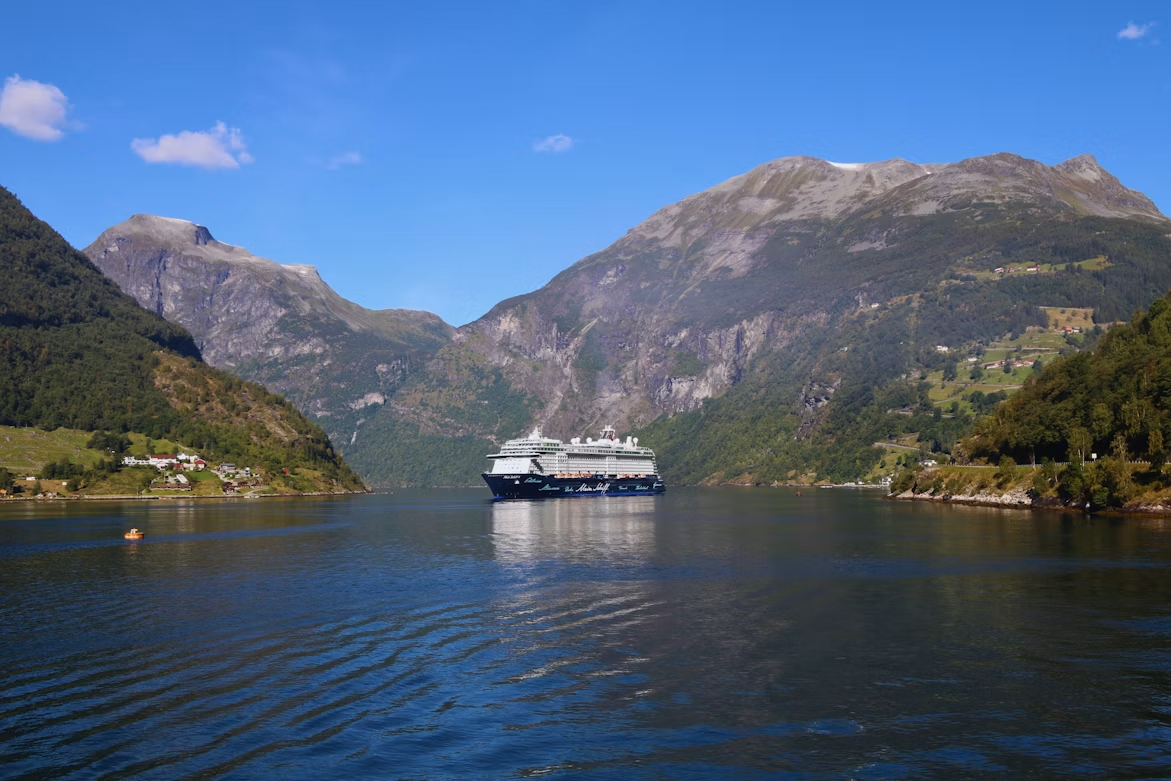
Top 10 Norway Fjords to Visit in 2026: Complete Travel Guide
Norway's fjords are not simply scenic inlets. They are glacier-carved valleys flooded by the sea, framed by steep mountains, waterfalls, villages, orchards and high plateaus. The strongest fjord itinerary is therefore not about visiting the largest possible number. It is about choosing the right two or three fjord regions and allowing enough time to experience them from the water, the road and a viewpoint.
For most first-time travellers from India, western Norway is the easiest place to begin. Bergen provides access to Sognefjord, Nærøyfjord, Aurlandsfjord and Hardangerfjord, while Ålesund works well for Geirangerfjord, Hjørundfjord and the wider Sunnmøre region. Stavanger is the natural base for Lysefjord, and Svolvær is the practical gateway for Trollfjord.
Norway's official tourism guidance identifies Geirangerfjord, Nærøyfjord, Hardangerfjord, Nordfjord and Sognefjord among the country's best-known fjords. UNESCO jointly lists Geirangerfjord and Nærøyfjord as the West Norwegian Fjords World Heritage property because of their exceptional scale, steep-sided landscapes, waterfalls and largely intact natural character.
Norway Fjords: Quick Answer
Top Norway Fjords: Jump to a Section
Top 10 Norway Fjords: Quick Comparison
| Fjord | Best Base | Best For | Ideal Time | Planning Note |
|---|---|---|---|---|
| Geirangerfjord | Geiranger / Ålesund | Iconic scenery, waterfalls, cruise views | 1–2 days | UNESCO-listed and extremely popular in summer |
| Nærøyfjord | Flåm / Aurland | Narrow UNESCO fjord, cruise + rail | 1 day | Easy to combine with Flåm Railway |
| Sognefjord | Flåm / Balestrand / Sogndal | Scale, multi-day touring, villages | 2–4 days | Norway's longest and deepest fjord |
| Hardangerfjord | Bergen / Lofthus / Eidfjord | Waterfalls, orchards, road trips | 2–3 days | Excellent first self-drive region |
| Lysefjord | Stavanger | Preikestolen, hiking, boat trips | 1–2 days | Best for active travellers |
| Nordfjord | Loen / Olden / Stryn | Glaciers, Loen, mountain scenery | 2–3 days | Strong alternative to busier fjords |
| Aurlandsfjord | Flåm / Aurland | Stegastein, calm fjord stays | 1–2 days | Pairs naturally with Nærøyfjord |
| Romsdalsfjord | Åndalsnes / Molde | Mountain scenery, road trips | 1–2 days | Combine with Romsdalen and scenic rail |
| Hjørundfjord | Ålesund / Øye / Sæbø | Quiet luxury, alpine scenery | 1–2 days | Excellent for slower premium travel |
| Trollfjord | Svolvær | Arctic fjord cruise, sea eagles | Half–1 day | Boat access is the key experience |
1. Geirangerfjord – Norway's Most Iconic Fjord Landscape
Geirangerfjord is the postcard image many travellers have in mind when they imagine Norway: a narrow blue fjord, steep mountain walls and waterfalls dropping from high farms and plateaus. Together with Nærøyfjord, it forms the UNESCO-listed West Norwegian Fjords World Heritage property.
The classic experience combines a fjord cruise with road viewpoints such as Ørnesvingen and the wider Geiranger region. Travellers with more time can continue toward Ålesund or use the area as part of a longer road journey through western Norway.
Best for
First-time visitors, photographers and travellers who want Norway's most famous fjord scenery.
Best base
Geiranger for immersion; Ålesund for a broader city-and-fjord itinerary.
Allow
At least one full day, preferably two if you want viewpoints and a slower stay.
2. Nærøyfjord – The Best Fjord for a Classic Bergen–Flåm Route
Nærøyfjord is a narrow branch of the Sognefjord system and one of Norway's most dramatic water-level experiences. UNESCO highlights the exceptional scale of the surrounding crystalline rock walls, waterfalls, forests, glacial lakes and rugged mountains.
For Indian travellers, Nærøyfjord is particularly practical because it combines easily with Bergen, Voss, Myrdal, Flåm and the Flåm Railway. This makes it one of the strongest choices when you want a high-impact fjord experience without building an overly complicated itinerary.
3. Sognefjord – Norway's Longest and Deepest Fjord
Sognefjord stretches about 205 kilometres inland and reaches a maximum depth of roughly 1,303 metres, making it both Norway's longest and deepest fjord. Its scale means it should be treated as a region rather than a single attraction.
Flåm, Aurland, Balestrand, Sogndal and several side fjords can all form part of a Sognefjord itinerary. Travellers who enjoy slower routes can spend three or four days here instead of trying to visit multiple disconnected fjord regions.
4. Hardangerfjord – Best for Waterfalls, Orchards and Scenic Driving
Hardangerfjord is Norway's second-longest fjord and one of the easiest areas to combine with Bergen. It is particularly attractive in late spring and summer when orchards, waterfalls and long daylight add variety beyond the fjord itself.
Eidfjord, Lofthus, Vøringsfossen and the broader Hardanger region work especially well for self-drive travellers. If you want fjord scenery without relying entirely on cruises and trains, Hardanger is one of the most flexible regions in Norway.
5. Lysefjord – Best for Preikestolen and Active Travel
Lysefjord is the natural fjord choice for travellers basing themselves in Stavanger. It is strongly associated with Preikestolen, the famous cliff viewpoint above the fjord, and therefore suits travellers who want to combine boat scenery with hiking.
Choose Lysefjord if your Norway itinerary is more active than purely scenic. A Stavanger stay, fjord cruise and Preikestolen hike can form a compact two- or three-night extension without needing to travel deep into western Norway.
6. Nordfjord – Glaciers, Loen and a Quieter Fjord Region
Nordfjord combines deep fjord scenery with glacier landscapes, valleys and mountain experiences around Loen, Olden and Stryn. It is an excellent option for travellers who want a dramatic western Norway region without concentrating only on Bergen and Flåm.
The area works particularly well in a road-trip itinerary that connects Ålesund, Geiranger and the western fjord region. Stay two or three nights if you want to add glacier viewpoints, hiking or the Loen area.
7. Aurlandsfjord – Best for Flåm, Aurland and Stegastein
Aurlandsfjord is one of the most accessible fjord landscapes for first-time visitors because Flåm sits at its head and the Stegastein viewpoint rises above nearby Aurland. It is also directly connected to the Nærøyfjord system.
Instead of treating Flåm as a quick transit stop, stay one or two nights around Aurland or Flåm. This gives you time for a fjord cruise, viewpoint, railway journey and a quieter evening after day-trip traffic leaves.
8. Romsdalsfjord – Best for Mountains and Åndalsnes
Romsdalsfjord is a strong choice for travellers who want fjord scenery combined with some of Norway's most dramatic mountain landscapes. The inner fjord leads toward Åndalsnes and the Romsdalen region, where steep peaks and major hiking terrain dominate the experience.
This is less about a single famous cruise and more about a broader landscape journey. It works well for road-trip travellers connecting Ålesund, Åndalsnes and the wider northwest.
9. Hjørundfjord – Best for Quiet Luxury and Alpine Scenery
Hjørundfjord is one of western Norway's strongest alternatives for travellers who want fewer crowds and a more intimate fjord stay. Visit Norway describes the fjord as being flanked by the Sunnmøre Alps, with mountain peaks above 1,000 metres and cruise access from Ålesund toward Øye.
Sæbø, Øye and the surrounding villages suit couples, honeymooners and premium travellers who would rather spend a night beside the fjord than rush through on a large day tour.
10. Trollfjord – The Best Arctic Fjord Experience
Trollfjord sits between Lofoten and Vesterålen in Northern Norway. It is short, narrow and enclosed by steep mountain walls, creating a very different experience from the long fjords of western Norway.
Boat access is the defining experience. Day cruises and sea-eagle safaris from Svolvær are common, and the fjord works naturally as part of a Lofoten itinerary rather than as a standalone destination. Choose Trollfjord if your Norway trip already includes Northern Norway.
Norway Fjords in Pictures
UNESCO FjordsGeirangerfjord and Nærøyfjord are Norway's two UNESCO-listed fjord landscapes
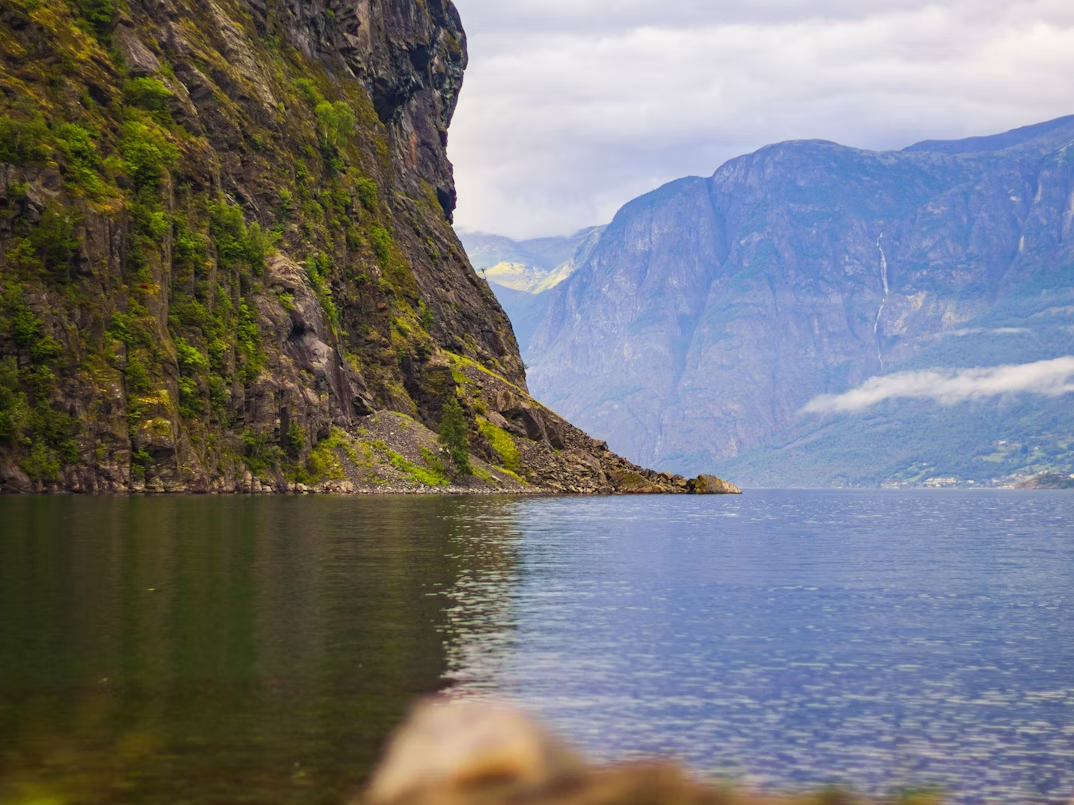 Western NorwayBergen is the strongest gateway for Sognefjord, Nærøyfjord and Hardangerfjord
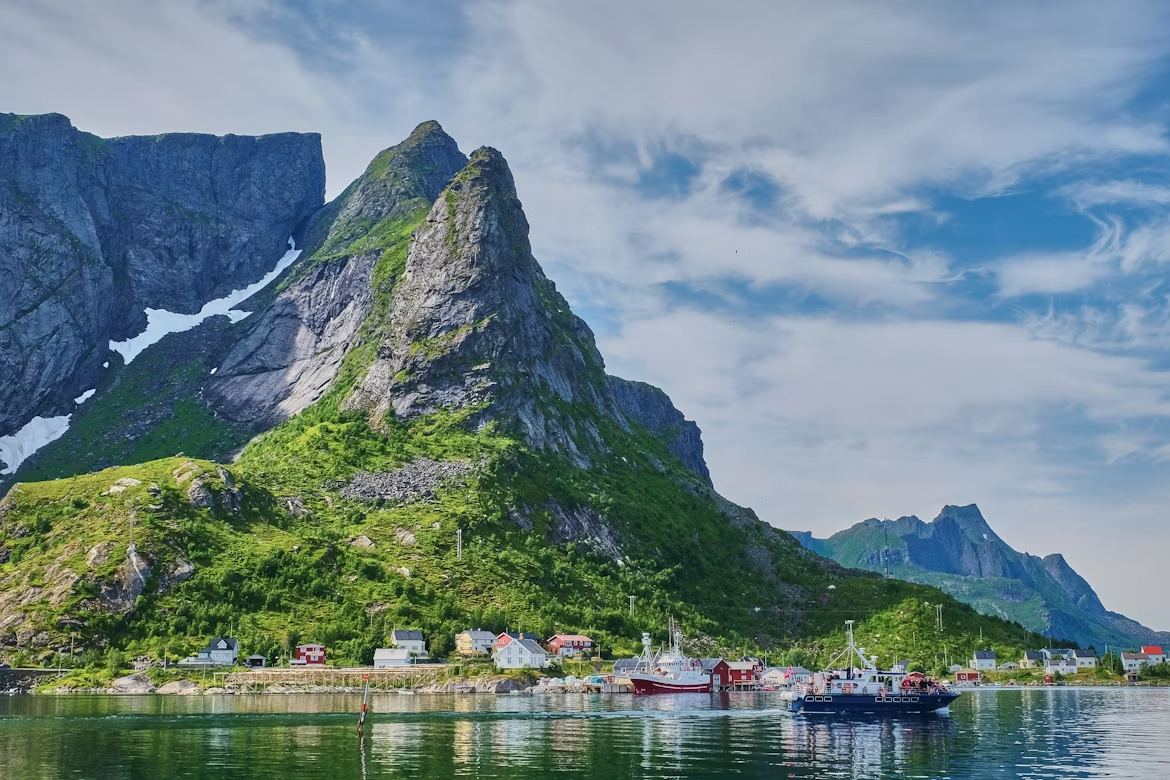 Northern NorwayTrollfjord adds an Arctic fjord experience to a Lofoten itinerary
Best Time to Visit Norway's Fjords in 2026
| Period | Best For | Advantages | Planning Consideration |
|---|---|---|---|
| May | Waterfalls and spring scenery | Fresh landscapes, fewer peak-summer crowds | Some high routes may still have snow restrictions |
| June–August | First-time fjord travel | Long daylight, strongest transport and cruise availability | Peak demand; book hotels and scenic transport early |
| September | Couples and photographers | Autumn colour, softer crowds | Shorter daylight and reduced seasonal services |
| October–April | Atmospheric winter travel | Snowy mountains and quieter destinations | Weather, road and cruise schedules need careful checking |
For a detailed month-by-month comparison, read our Best Time to Visit Norway guide.
Which Norway Fjord Should You Choose?
First Norway trip
Choose Nærøyfjord plus Aurlandsfjord, or Geirangerfjord if you are routing via Ålesund.
Road trip
Choose Hardangerfjord, Sognefjord and Nordfjord for the strongest multi-day driving flexibility.
Hiking
Choose Lysefjord for Preikestolen, or Romsdalsfjord and Hjørundfjord for mountain-heavy itineraries.
Luxury stay
Choose Aurland, Hjørundfjord or a quieter Sognefjord base where the overnight setting matters as much as the cruise.
Arctic trip
Choose Trollfjord if you are already travelling through Lofoten or Vesterålen.
One fjord only
Nærøyfjord is the easiest high-impact choice when Bergen and Flåm are already in your itinerary.
Suggested 8-Day Norway Fjord Itinerary
Oslo → Flåm → Nærøyfjord → Bergen → Hardangerfjord
Day 1 – Oslo
Arrive in Oslo, recover from the international journey and stay centrally.
Day 2 – Oslo
Explore Oslo without adding a long transfer day immediately after arrival.
Day 3 – Oslo to Flåm
Use the Bergen Line to Myrdal and connect to the Flåm Railway.
Day 4 – Nærøyfjord and Aurlandsfjord
Take a fjord cruise and stay a second night around Flåm or Aurland.
Day 5 – Flåm to Bergen
Continue by rail or a cruise-bus-rail combination and stay in Bergen.
Day 6 – Bergen
Keep a city day for Bryggen, viewpoints and a slower evening.
Day 7 – Hardangerfjord
Take a day trip or overnight extension into Hardanger for waterfalls, orchards and fjord scenery.
Day 8 – Departure
Depart from Bergen or connect through Oslo depending on the international ticket.
For a transport-focused version of this route, see our 7-Day Norway Itinerary from India. For self-drive planning, use the Norway Road Trip Guide for Indians.
How to Experience Norway's Fjords
- Fjord cruise: best for water-level scale, waterfalls and narrow fjord sections.
- Scenic railway: especially useful around Bergen, Myrdal and Flåm.
- Road trip: best for Hardanger, Nordfjord, Romsdal and multi-day viewpoint routes.
- Hiking: strongest around Lysefjord, Romsdal, Sunnmøre and selected fjord villages.
- Overnight stay: highly recommended if you want the fjord after day-trip crowds leave.
Norway Tour Packages from Major Indian Cities
Related Norway Travel Guides
Official Sources for Norway Fjord Planning
Use Official Sources for Current Fjord Information
Visit Norway – Fjords
Official tourism overview of Norway's fjords, regions and travel ideas.
Visit Norway – Famous Fjords
Official overview covering Geirangerfjord, Aurlandsfjord, Nærøyfjord, Lysefjord, Sognefjord, Hardangerfjord and more.
UNESCO World Heritage
Official listing for the West Norwegian Fjords – Geirangerfjord and Nærøyfjord.
Want a Norway Fjord Itinerary Built Around Your Travel Dates?
Share your departure city, trip length, preferred pace and whether you want trains, cruises, self-drive or private transfers. Luxury Unlocked can build a route around the fjords that fit together logically instead of forcing too many regions into one trip.
Explore Norway Fjord Cruise PackageTop 10 Norway Fjords – FAQs
For most first-time travellers, the strongest choices include Geirangerfjord, Nærøyfjord, Sognefjord, Hardangerfjord and Lysefjord. Nordfjord, Aurlandsfjord, Romsdalsfjord, Hjørundfjord and Trollfjord are excellent additions depending on the route and travel style.
Nærøyfjord is one of the easiest high-impact choices because it combines naturally with Bergen, Flåm, Aurland and the Flåm Railway. Geirangerfjord is the strongest alternative if your route includes Ålesund.
Geirangerfjord and Nærøyfjord form the UNESCO-listed West Norwegian Fjords World Heritage property.
Sognefjord is Norway's longest fjord at about 205 kilometres and is also the country's deepest, reaching approximately 1,303 metres.
June through August is the easiest period for first-time visitors because daylight is long and cruise, rail and road options are at their broadest. May is excellent for waterfalls, while September can offer fewer crowds and early autumn colour.
Yes. Bergen, Flåm, Nærøyfjord and parts of Sognefjord can be combined using trains, buses, ferries and organised transfers. A car becomes more useful for Hardanger, Nordfjord and longer scenic road routes.
For a 7- to 10-day first trip, two or three fjord regions are usually enough. Choosing nearby fjords creates a better trip than spending every day transferring between distant parts of Norway.