

MICE travel refers to organised business travel and events built around Meetings, Incentives, Conferences and Exhibitions. It brings people together for defined professional purposes, from leadership discussions and employee rewards to industry conferences and trade shows. Unlike an ordinary business trip, a MICE programme typically combines the event itself with coordinated venues, accommodation, travel and delegate arrangements.
The acronym is common in corporate travel, tourism and event planning, although industry bodies also use the broader terms meetings industry and business events. The International Congress and Convention Association (ICCA) defines the four components and explains why terminology varies. This guide breaks down each format, its planning requirements and the questions an Indian company should answer before organising a domestic or international programme.
What Does MICE Stand For?
| Letter | Meaning | Typical purpose | Examples |
|---|---|---|---|
| M | Meetings | Make decisions, coordinate teams and share information | Leadership offsite, annual planning meeting, sales kick-off |
| I | Incentives | Recognise or reward performance | Top-performer travel, dealer reward programme |
| C | Conferences | Exchange knowledge and discuss defined topics | Professional congress, annual industry conference |
| E | Exhibitions | Showcase products, services or innovations | Trade fair, industry exhibition, product showcase |
Definitions follow ICCA's MICE terminology. Some practitioners use “Events” for the final E; “Exhibitions” is the traditional expansion used here.
The Four Types of MICE Travel Explained
1. Meetings, Business Decisions and Team Alignment
Primary goal: Discussion, planning or decision-making
Typical formats: Board meetings, strategy offsites, sales kick-offs, departmental gatherings
Planning focus: Suitable meeting space, privacy, connectivity and productive scheduling
A corporate meeting may involve a small leadership group or a larger cross-functional team. ICCA describes meetings broadly as people coming together to confer or carry out an activity. A residential offsite adds room blocks, food, transfers and sometimes team activities to the meeting agenda.
Practical example: A company takes its leadership team away from the office for annual planning.
The objective is not simply to visit a destination. The venue should support confidential discussions, breakout sessions and enough uninterrupted time to reach decisions. The travel programme is successful when it makes that work easier.
2. Incentives, Rewarding Employees and Business Partners
Primary goal: Recognise achievement and encourage future performance
Typical formats: Sales achievers' trips, channel-partner rewards, dealer incentives
Planning focus: Participant experience, eligibility, inclusions and programme fairness
Incentive travel uses a destination or curated experience as a reward for meeting defined performance or recognition criteria. It differs from a standard holiday because the organisation sponsors it for a business purpose. ICCA describes incentives as programmes that reward previous performance.
Practical example: A business rewards qualifying sales partners with a hosted international trip.
What matters is a clear reward structure, an attractive experience and reliable coordination. The destination should fit the participant profile, not merely appear impressive in a brochure.
3. Conferences, Knowledge Sharing at Scale
Primary goal: Professional exchange, learning or consultation
Typical formats: Industry conferences, association meetings, training conventions
Planning focus: Registration, programme flow, plenary and breakout rooms, accessibility and AV
Conferences usually organise sessions around a subject or industry. According to ICCA, they are participatory meetings designed for discussion, fact-finding, problem-solving and consultation. A conference's success depends on programme quality and how smoothly delegates can participate.
Practical example: An industry body hosts speakers, workshops and networking sessions over several days.
Delegate arrivals, signage, session transitions, presentation equipment and dietary requirements all affect the outcome. Venue capacity alone is not enough to assess suitability.
4. Exhibitions, Showcasing Products and Services
Primary goal: Product discovery, market access or commercial engagement
Typical formats: Trade exhibitions, sector showcases and industry fairs
Planning focus: Exhibitor requirements, floor layout, freight, visitor flow and safety
Exhibitions bring suppliers and audiences into a space where goods, services and innovations can be displayed. ICCA defines exhibitions as events at which products and services are displayed. Depending on scale, the organiser must coordinate exhibitor logistics as well as visitor experience.
Practical example: Manufacturers display products at a trade exhibition for buyers and distributors.
Exhibitor services, stand build, delivery windows, utilities and access control become essential. A good exhibition plan looks beyond guest travel to the operational needs of the show floor.
Why Is MICE Travel Important to Businesses?
Meetings and business events can support collaboration, training, market relationships and employee recognition. Those outcomes are not guaranteed simply because an event takes place; organisations should define what they want participants to do or learn and then evaluate the results.
The Events Industry Council's 2026 Global Economic Significance of Business Events Study, developed with Oxford Economics, estimated that business events generated US$1.3 trillion in direct spending in 2025 and involved 1.65 billion participants globally. These are global business-events sector estimates under the study's methodology, not figures for Indian MICE tourism alone.
- Knowledge exchange: Conferences create structured opportunities to share expertise and ideas.
- Organisational alignment: Meetings give teams dedicated time to discuss priorities and decisions.
- Recognition: Incentive programmes can make performance achievements visible and meaningful.
- Commercial relationships: Exhibitions bring buyers, suppliers and industry professionals together.
- Destination expenditure: Travel, hospitality, venues and event services benefit when events are hosted.
MICE Travel vs Regular Corporate Travel: What Is the Difference?
Corporate travel is a broad category: an employee might travel alone for a client meeting, inspection or training. MICE travel focuses on the planned gathering or reward programme, often with many participants and interconnected services. The categories overlap; MICE is not a separate legal class of travel.
| Consideration | Regular business travel | MICE travel |
|---|---|---|
| Main organising unit | Individual trip or traveller | Event, programme or group |
| Typical requirement | Transport and accommodation | Venue, programme, delegates, travel and suppliers |
| Success measure | Traveller reaches business objective | Programme delivers agreed participant and business outcomes |
| Operational risk | Changes to individual itinerary | Group arrivals, supplier dependencies and event disruption |
How to Plan a MICE Event or Corporate Group Trip
Start with the business outcome, not the destination
Specify whether the priority is planning, rewarding top performers, educating delegates, launching a product or generating business contacts. Agree on measurable indicators such as attendance, session feedback, meetings completed or qualified leads. Different formats require different measures.
Define the group and programme requirements
Confirm an expected participant count, originating cities, travel dates, passport nationalities where relevant, mobility or accessibility needs, dietary needs and the required event schedule. A group with multiple flight-arrival waves needs different logistics from a residential meeting at one hotel.
Compare destinations and venues against a common brief
Review flight access, entry requirements, venue layouts, meeting facilities, room-block flexibility, transport time and the experience participants will actually have. For overseas trips, validate entry conditions with the destination's official authorities before committing to non-refundable services.
Budget for the entire programme
A MICE budget may include flights, rooms, food and beverage, meeting and exhibition space, technical production, transport, activities, staff, insurance, taxes and contingency. Ask suppliers to identify exclusions, payment deadlines, room-block release dates and cancellation or attrition terms. Avoid presenting estimated costs as confirmed quotations.
Build an operational plan and review the outcome
Prepare a delegate manifest, run of show, supplier contact sheet, arrival and departure plan, emergency escalation contacts and ownership for each moving part. After the programme, reconcile invoices and collect relevant feedback against the initial objectives.
MICE Tourism in India: What Companies Should Know
For Indian companies, MICE usually splits into two streams: domestic programmes held within India, and outbound programmes that take a group abroad. The planning questions differ for each.
Domestic MICE in India
Large conferences and exhibitions increasingly use purpose-built venues. In Delhi, Bharat Mandapam at Pragati Maidan opened in July 2023 as an international exhibition-cum-convention centre, and Yashobhoomi, the India International Convention and Expo Centre in Dwarka, opened in September 2023 for conventions, exhibitions and trade fairs. Mumbai, Bengaluru and Hyderabad also have dedicated convention and exhibition venues alongside business hotels, which suits sales conferences and product launches close to head offices. For leadership offsites and incentive groups, companies often look at resort and heritage settings in places such as Goa, Jaipur and Udaipur, where the setting is part of the experience. For a city-by-city comparison with venue capacities, see our guide to the best MICE destinations in India.
Outbound MICE from India
Taking a group abroad adds steps a domestic event does not have. Delegates often fly from several Indian cities, so arrival waves need to be coordinated at the destination. Visa or entry documents must be prepared for every passport in the group, usually weeks in advance. Overseas tour packages are also subject to tax collected at source (TCS), and the rates have changed more than once in recent Union Budgets, so confirm the current treatment and GST invoicing with your finance team before approving a per-delegate budget.
Typical Indian corporate programmes
- Dealer and channel-partner incentives: common where products sell through distributor networks; groups can be large and include first-time international travellers.
- Annual sales conferences: often timed around the April–March financial year to review results and set targets.
- Leadership offsites: small, senior groups where privacy and meeting quality matter more than sightseeing.
- Product launches and dealer meets: a stage event combined with hospitality for partners and media.
Choosing a Destination for an International MICE Programme from India
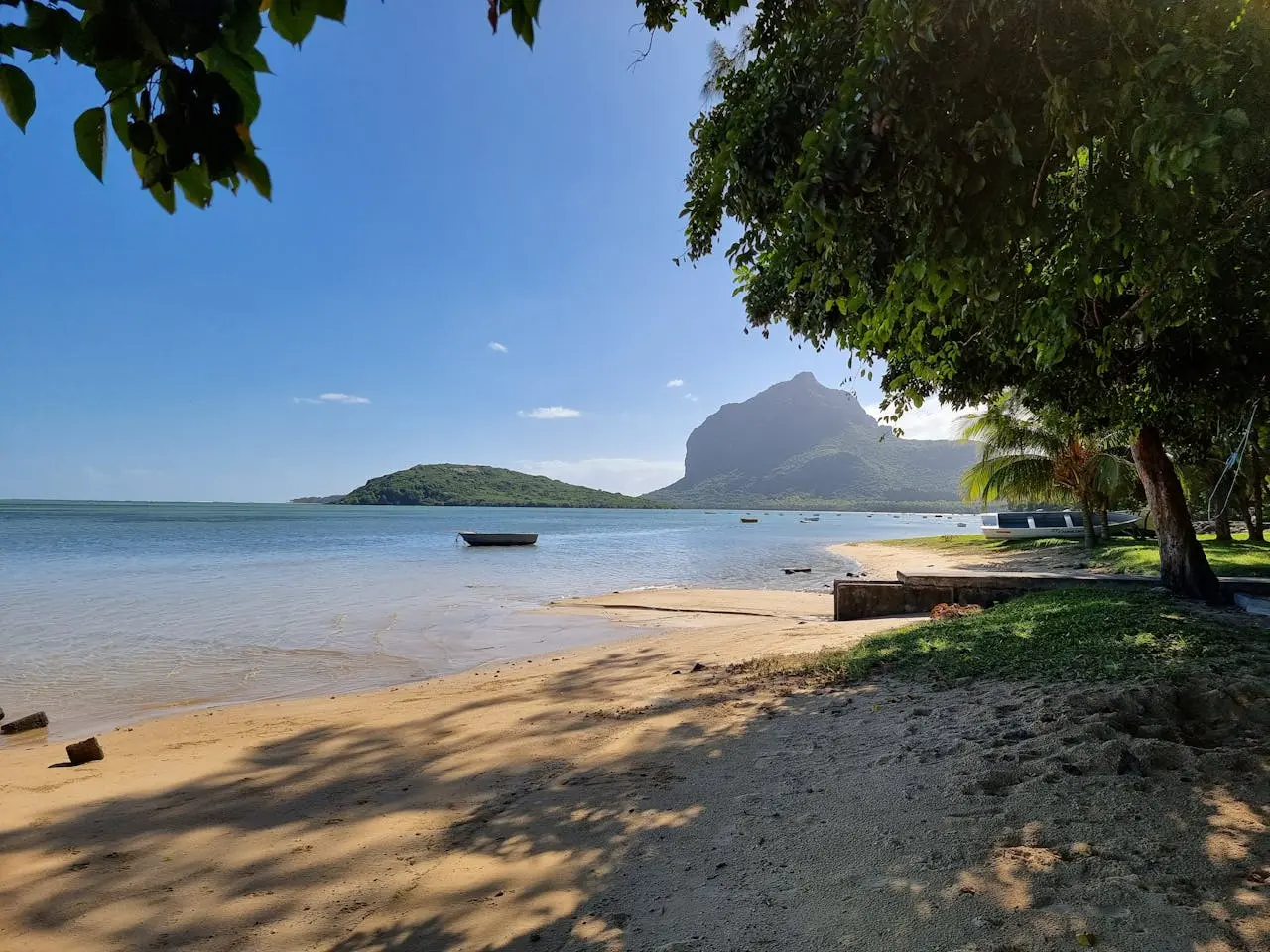
There is no universally best destination. The right choice depends on the number of travellers, event type, travel time, entry requirements, season, venue capacity and approved budget. For an incentive-led programme, the quality of the experience matters; for a multi-session conference, venue functionality and arrival logistics may dominate.
- Leadership retreats: Prioritise privacy, dependable meeting facilities and a setting that supports focused discussion. See how senior leadership retreats are typically structured.
- Sales and dealer incentives: Evaluate distinctive experiences, group accommodation and straightforward participant movement.
- Conferences: Look at meeting-room configurations, AV capabilities, registration flow and hotel-room inventory.
- Exhibitions: Check exhibition-hall specifications, access, regulations, logistics and exhibitor services.
Luxury Unlocked's existing corporate travel offering highlights international programmes and destinations including Mauritius, Kenya and Tanzania, the Maldives, Vietnam, Japan and Seychelles. These are options to evaluate against a specific company brief, not universal recommendations for every MICE event.
What Does a MICE Travel Company Handle?
A MICE travel partner may coordinate destination research, accommodation contracts, group flights, ground transport, programme design, venues, production partners and on-ground operations. The precise scope should be written into the proposal; not every provider delivers every service in-house. Contracting responsibility and a single escalation route become particularly important for multi-supplier international events.
For organisations evaluating international meetings, incentive trips, corporate offsites or conference travel from India, see Luxury Unlocked's MICE and corporate travel planning services for the company's programme scope, destination options and proposal process.
Planning from a specific city? See MICE and corporate travel planning for teams in Gurgaon, Delhi, Mumbai and Hyderabad, or send a corporate brief with your delegate count, dates and budget.
Common MICE Planning Mistakes to Avoid
- Choosing on photographs alone: Inspect meeting-space specifications, arrival routes and supplier capacity.
- Skipping the business objective: Decide what success looks like before approving entertainment or experiences.
- Underestimating group logistics: Track real flight times, rooming lists, accessibility requirements and transfer waves.
- Comparing incomplete quotes: Check what is excluded and how taxes, production, changes and contingencies are treated.
- Ignoring contract exposure: Review deposits, room attrition, force-majeure provisions and cancellation dates with the relevant parties.
Reliable Sources and Further Reading
The definitions and industry figures in this guide were checked against non-agency sources, rather than competing tour operators or commercial MICE providers:
- ICCA, MICE definitions and business-tourism terminology.
- United Nations Statistics Division, tourism statistics glossary and meetings-industry terminology.
- Events Industry Council, 2027 global business-events study and 2025 estimates.
- All India Radio News, inauguration of Bharat Mandapam (IECC), Pragati Maidan.
- PM India, Yashobhoomi (India International Convention and Expo Centre), Dwarka.
MICE Travel: Frequently Asked Questions
MICE travel is planned business travel connected to meetings, incentive rewards, conferences or exhibitions. It often combines an event with coordinated group accommodation, transport and programme logistics.
MICE traditionally stands for Meetings, Incentives, Conferences and Exhibitions. Some organisations use the term business events or meetings industry instead.
Not exactly. Business travel is a broad category covering professional trips. MICE travel concentrates on organised events and incentive programmes. The two categories overlap.
A company-sponsored international trip for employees or channel partners who meet stated performance goals is an example of incentive travel.
A conference primarily centres on sessions, discussion and knowledge exchange. An exhibition is designed around displaying products or services, often connecting exhibitors with buyers and other visitors.
Delhi NCR, Mumbai, Bengaluru and Hyderabad host many conferences and exhibitions, with Bharat Mandapam and Yashobhoomi in Delhi among the largest purpose-built venues. Goa, Jaipur and Udaipur are often chosen for incentive groups and leadership offsites.
Confirm the programme objective, group size, passport and entry requirements, venue capacity, flight connectivity, total budget, cancellation terms and on-ground responsibilities.
Measures depend on the objective: attendance and decisions for meetings, participant feedback for incentives, learning outcomes for conferences or qualified commercial contacts for exhibitions.
Many MICE travel companies coordinate flights and hotels as part of a wider programme, but the exact services, supplier responsibilities and exclusions should be confirmed in the proposal.