
Corporate offsite planning works best when the business purpose drives every decision, from the meeting agenda to the destination, venue, budget and activities. This practical guide gives HR teams, founders, executive assistants and event organisers a usable checklist, a sample cost model, venue criteria and a realistic planning schedule for company offsites in India and overseas.
A successful offsite is not simply a team holiday. A leadership retreat might need confidential decision-making; a company-wide gathering may prioritise belonging and collaboration; a sales kick-off could combine training and recognition. Define what should change after everyone returns, then plan the journey around that outcome. For the broader business-events context, see what MICE travel means.
1. Define the Purpose Before Booking Anything
The most expensive offsite mistake is choosing a beautiful property before agreeing on why people are going. Write a one-sentence objective and a measurable result. For example, “align 18 department heads on the next quarter’s priorities and assign an owner to every initiative” is more actionable than “improve teamwork”.
Strategy & alignment
Leadership teams need privacy, breakout rooms and time for hard decisions.
Team connection
Cross-functional groups need collaborative activities and informal conversations.
Learning & kick-offs
Product training and sales meetings need reliable AV and a focused programme.
Recognition
High performers need thoughtful appreciation, not a compulsory conference schedule.
2. Corporate Offsite Planning Checklist
Use this checklist as a procurement and operations handover. Assign one owner and a due date to each item rather than treating the list as a shared responsibility with no accountability.
| Workstream | What to confirm | Responsible team |
|---|---|---|
| Purpose & people | Outcome, delegate count, accessibility and dietary needs | Leadership + HR |
| Dates & location | Holiday calendar, weather, journey time and backup date | HR + travel lead |
| Venue | Room block, plenary room, breakouts, AV, Wi-Fi and privacy | Procurement + organiser |
| Commercials | Itemised quotation, tax, deposits, attrition and cancellation | Finance + procurement |
| Travel | Flights or trains, transfers, arrival waves and luggage | Travel lead |
| Programme | Facilitator, sessions, activity options and a weather backup | Event owner |
| Duty of care | Emergency contacts, insurance, health and evacuation planning | HR + organiser |
| Close-out | Feedback, invoices, decisions, action owners and follow-up | Finance + leadership |
3. Corporate Offsite Planning Timeline
These are suggested lead times, not supplier guarantees. A small domestic offsite may be arranged faster; international events, large room blocks and peak-season dates need additional time.
- 12–16 weeks before: Decide the business objective, participant list, budget ceiling, location criteria and preferred dates.
- 10–12 weeks: Request comparable, itemised venue and travel proposals; check availability, access and contract terms.
- 8–10 weeks: Select the destination and venue; secure rooms and meeting facilities after approvals.
- 6–8 weeks: Confirm workshop facilitators, agenda, transport, activity suppliers and dietary details. Start any required visa process early.
- 3–4 weeks: Share delegate instructions, confirm arrival waves, rooming list, accessible options and emergency contacts.
- One week: Reconfirm numbers, AV tests, weather alternatives, signage and the run-of-show.
- During and after: Run a daily organiser briefing; capture decisions, reconcile costs and send an action tracker after the event.
4. How to Build a Corporate Offsite Budget
Compare quotes using a cost per delegate plus fixed programme costs model. A proposal that looks inexpensive per room may become costly once meeting hire, audiovisual equipment, local transfers and meals are added.
Illustrative budgeting example · 40 delegates · 2 nights
For an internal planning exercise, suppose the negotiated hotel and meals cost ₹14,000 per person, ground transfers cost ₹3,000 per person and activities cost ₹2,000 per person. Fixed meeting, AV and facilitation charges total ₹1,60,000.
Working total: 40 × (₹14,000 + ₹3,000 + ₹2,000) + ₹1,60,000 = ₹9,20,000, or ₹23,000 per delegate, before applicable tax and contingency.
These are fictional calculation inputs to demonstrate the budgeting method, not a market quote or a Luxury Unlocked package price.
| Cost line | Questions to ask |
|---|---|
| Stay and food | Single or twin share? All meals, refreshments and service charges included? |
| Meeting and AV | Room hire, microphones, display, lighting, recording and technician included? |
| Transport | Multiple departure points, flight changes and airport transfer waves covered? |
| Activities | Guides, safety equipment, tickets and alternative options included? |
| Contingency | What reserve will finance approve for disruption or late changes? |
For international premium programmes, Luxury Unlocked's MICE and corporate travel material lists indicative land-only bands of ₹90,000–₹1.6 lakh for regional offsites, ₹1.8–₹3.2 lakh for resort incentives and ₹3.5 lakh upwards for specialist safari or buyout programmes. Those bands are not universal offsite prices; international airfares, visas and applicable taxes can be additional.
5. How to Choose a Corporate Offsite Venue
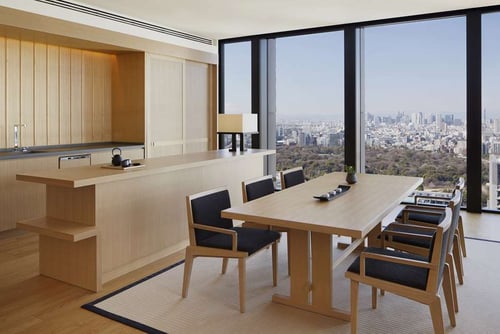
Rank venues against operational needs before their photographs. Confirm actual capacity in the required seating layout, not just the highest capacity printed in a brochure. Request a floor plan, a current AV inventory and a written quote specifying all meeting inclusions.
Venue evaluation scorecard
- Meeting quality: sound isolation, screen visibility, natural light and separate breakouts.
- Access: door-to-door travel time, arrival wave handling and step-free routes.
- Accommodation: enough rooms in agreed categories, clear check-in rules and rooming policy.
- Privacy: exclusive spaces for sensitive strategy sessions.
- Experience: worthwhile activities without long transfers.
- Contract: cancellation, attrition, deposits, force majeure and changes documented.
For a board or founder group, a senior leadership retreat may benefit from a smaller private property. A 150-person sales meeting usually requires stronger plenary infrastructure and a larger room block.
6. Corporate Team-Building Activities That Serve a Purpose
Activities should reinforce the desired outcome. Not every attendee enjoys strenuous challenges or public competition: offer accessible alternatives, explain physical requirements and make participation choices clear.
Problem-solving sprint
Small cross-functional groups propose solutions to one real customer or operational issue.
Facilitated strategy walk
Paired discussions outdoors, followed by a structured summary indoors.
Cooking or cultural session
Collaborative work with local experts and a shared outcome.
Recognition evening
Celebrate achievements with specific, meaningful stories rather than generic awards.
Nature-based experience
Guided cruise, easy walk or wildlife excursion with suitable safety and weather plans.
Commitment workshop
Turn the offsite's ideas into owners, deadlines and a 30-day follow-up.
7. Destination Inspiration for Indian Corporate Teams
Luxury Unlocked's destination pages can help you explore a setting before requesting a corporate-specific venue and logistics proposal. The destination journeys linked below are inspiration, not pre-priced corporate offsite packages.
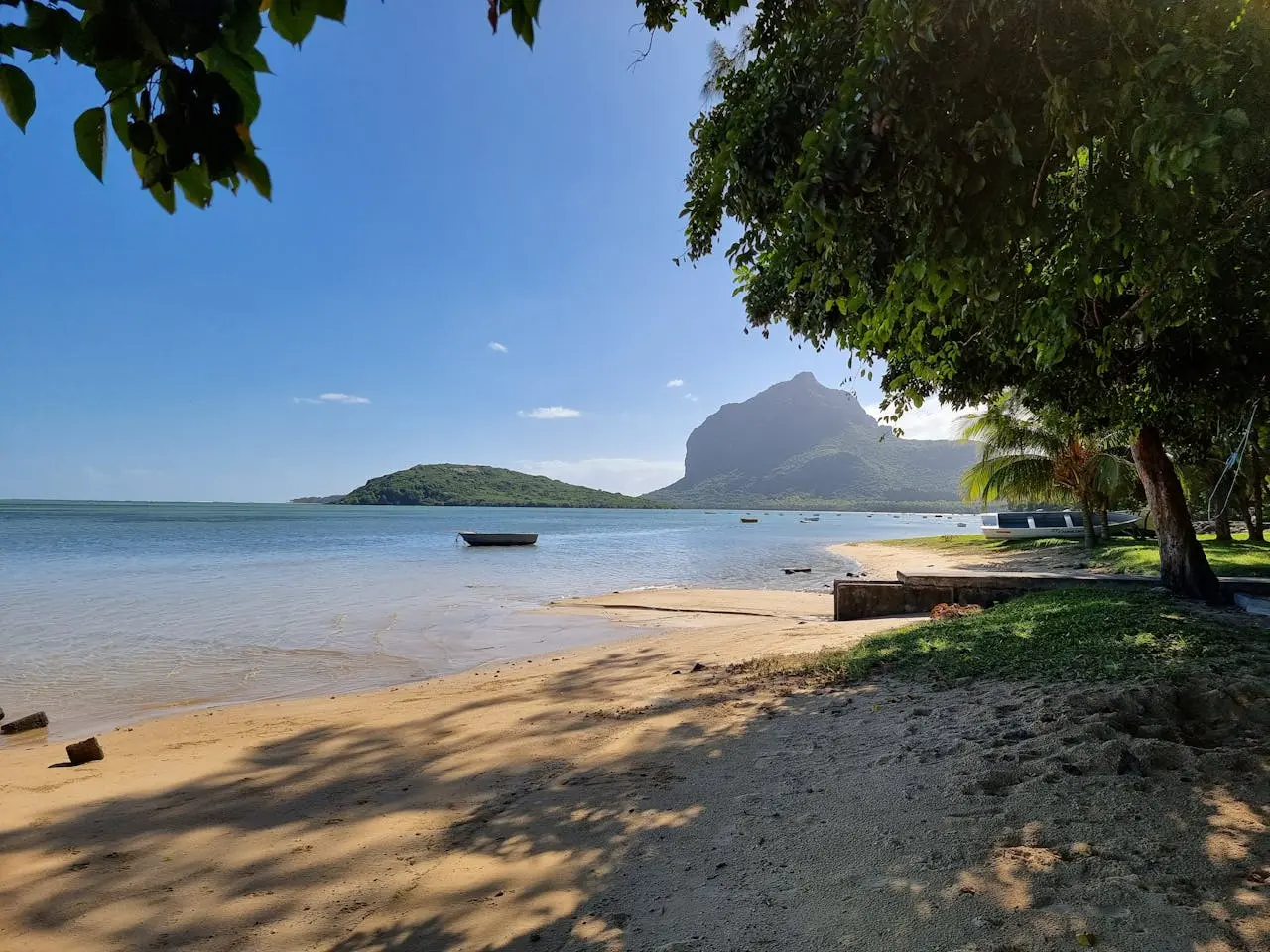 Resort workshopsMauritiusExplore destination →
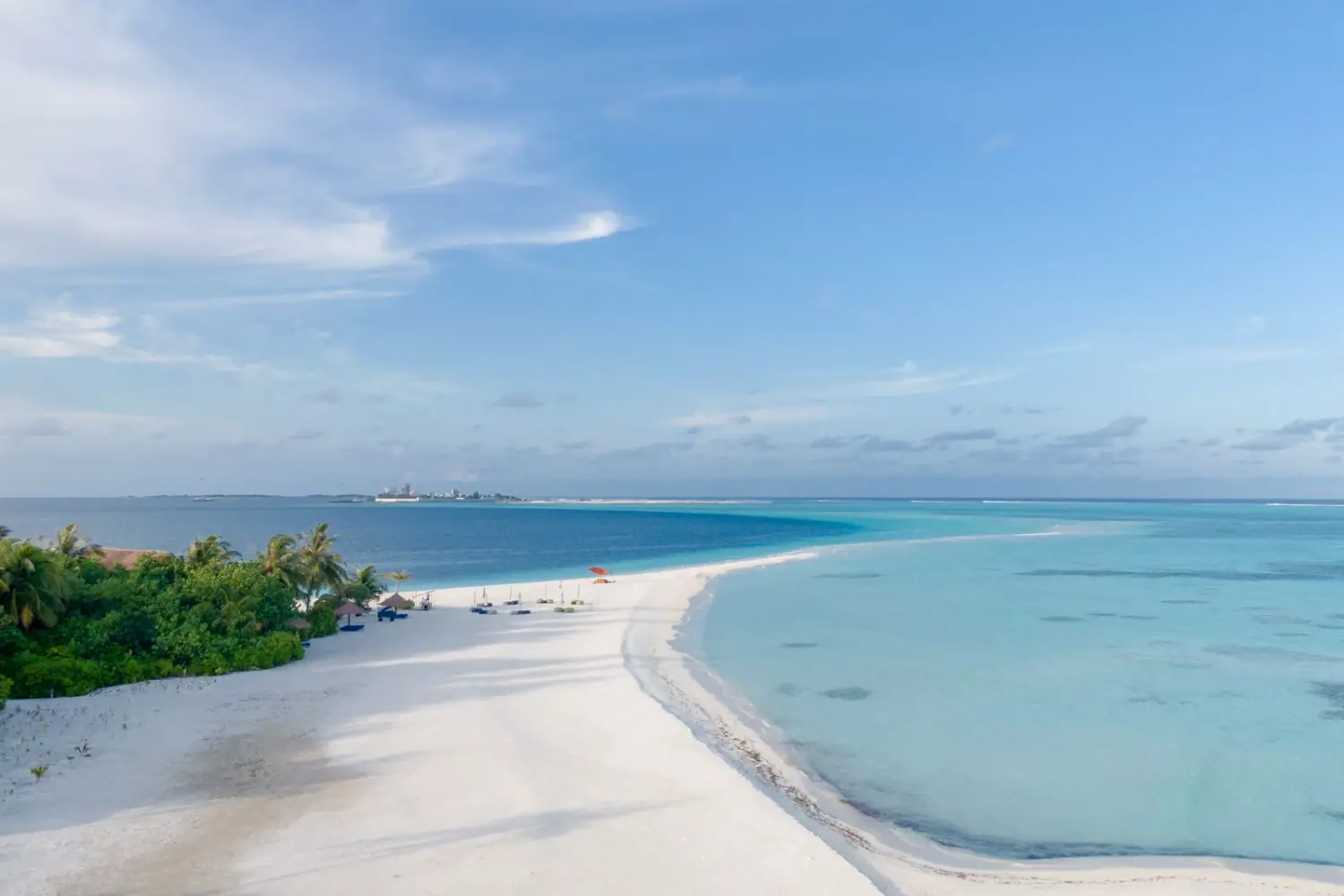 Reward tripsMaldivesExplore destination →
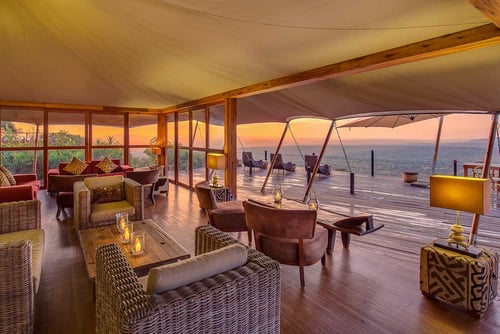
 Recognition journeysMasai MaraExplore destination →
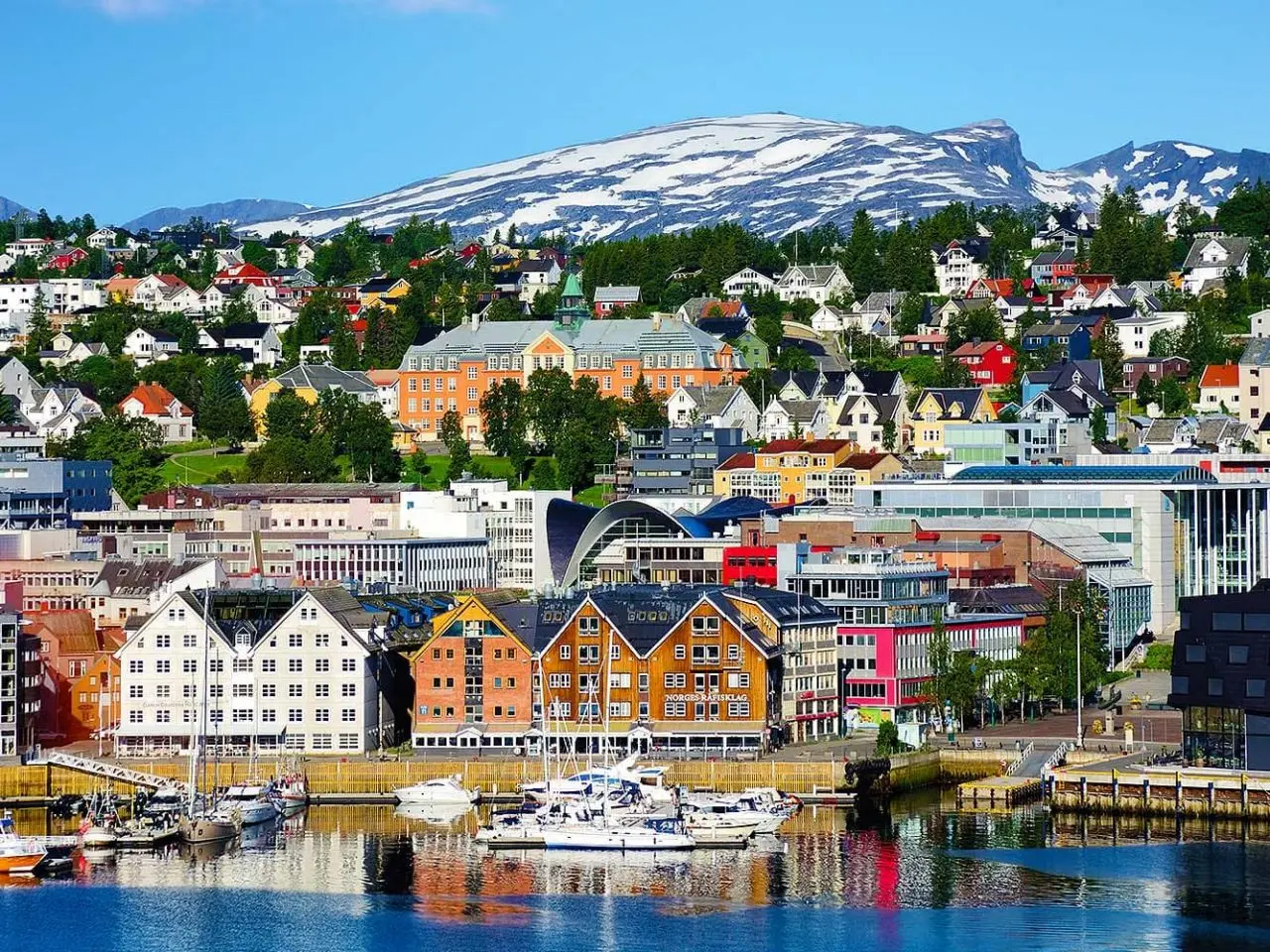 Leadership reflectionNorwayRead retreat guide →
For domestic options, compare destinations in our guide to the best MICE destinations in India. If your programme needs premium exclusivity, see how luxury MICE travel differs from a standard offsite.
8. Sample Two-Day Corporate Offsite Agenda
Example only · 30-person cross-functional leadership team
- Day 1, morning: Arrivals, welcome, objectives and a moderated review of current priorities.
- Day 1, afternoon: Cross-functional breakout groups work on three strategic challenges; report-backs identify decisions.
- Day 1, evening: Informal shared experience and relaxed dinner, with personal downtime protected.
- Day 2, morning: Teams convert proposals into 30/60/90-day priorities, owners and success measures.
- Day 2, afternoon: Closing commitments, feedback and staggered departures.
Output: a single decision log, action tracker and scheduled follow-up meeting, not just photographs and memories.
9. Common Corporate Offsite Planning Mistakes
- Planning sightseeing before strategy: the core business objective gets squeezed into spare hours.
- Comparing different quote scopes: one hotel includes meeting hire while another excludes it.
- Ignoring accessibility: venues and activities may exclude participants.
- No disruption plan: weather, delayed flights and supplier changes are not accounted for.
- Over-scheduling: delegates have no time for reflection or spontaneous conversations.
- Skipping follow-up: decisions are never translated into accountable actions.
Sources and Planning Notes
Destination options and the published indicative international MICE land-cost bands are drawn from Luxury Unlocked's existing destination and corporate travel material. Planning stages, sample agenda, venue scorecard and the worked budget example are editorial frameworks, not evidence of a completed client engagement or guaranteed supplier quotation.
Corporate Offsite Planning, FAQs
A corporate offsite is a work-focused meeting or programme held away from the usual workplace. It may combine strategy sessions, training, collaboration, recognition and group activities.
Starting around 12–16 weeks ahead gives teams time to compare venues and agree the agenda. Large international groups, visas, peak dates and exclusive properties often need longer.
Add all per-person accommodation, food, transport and activity costs, plus fixed meeting and facilitator fees. Divide the total by participants, then account separately for taxes and contingency.
Check meeting layout and capacity, Wi-Fi, AV, breakout space, accessibility, room inventory, travel time, meals, privacy, weather alternatives and contract terms.
Choose activities that support the desired outcome: facilitated problem-solving for alignment, collaborative cultural experiences for connection or personalised recognition for incentive groups. Provide inclusive options.
A destination package is useful inspiration, but a corporate offsite needs its own room block, meeting spaces, programme design, delegate logistics, contracts and support arrangements.