
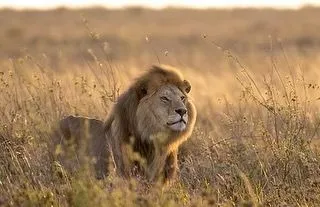
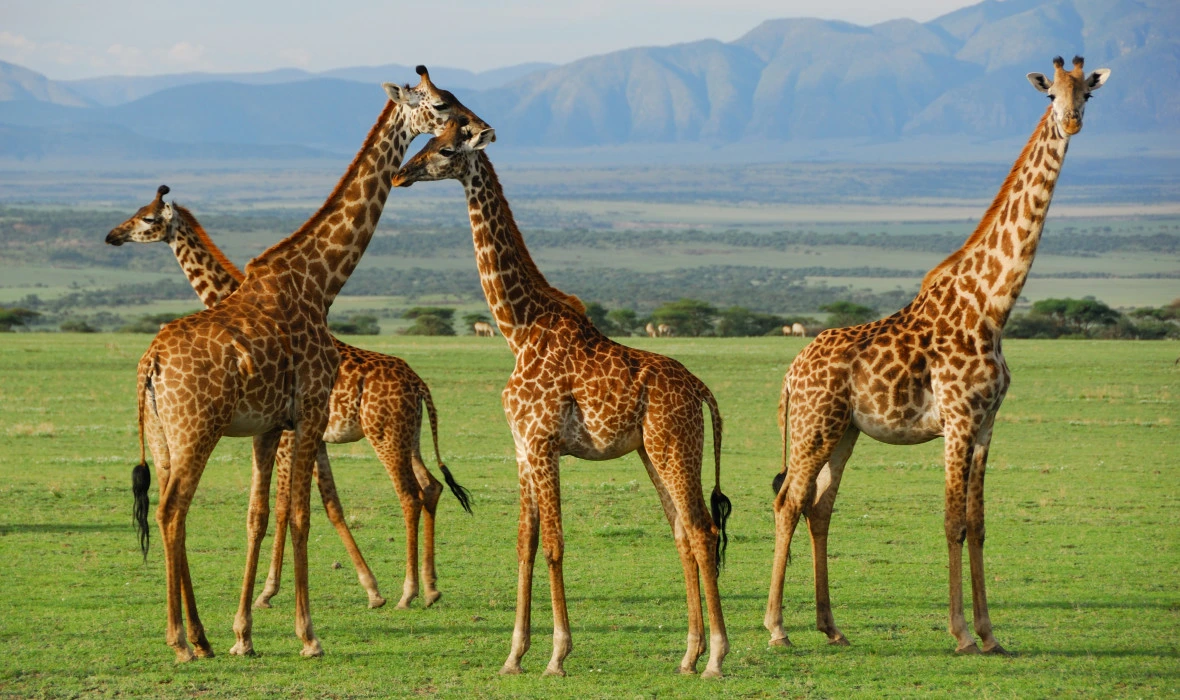
The Serengeti is Tanzania's best-known national park and one of the finest places in Africa to watch big cats and the Great Migration. Its name comes from the Maasai word for "endless plains", and at roughly 14,750 square kilometres it is large enough that where you stay matters as much as when you go.
This 2027 guide is written for Indian travellers. It explains the park's four main regions, the migration calendar, entry rules, how to get there from India, sample itineraries and realistic budgets, so you can plan a Serengeti safari that fits your dates rather than a generic route.
Why the Serengeti Belongs on Your 2027 Safari
The Serengeti National Park, a UNESCO World Heritage Site since 1981, supports one of the largest concentrations of large mammals on earth. More than a million wildebeest, together with zebras and gazelles, move through the wider Serengeti–Mara ecosystem every year, followed by lions, leopards, cheetahs and hyenas. Unlike a single-season event, there is something worth seeing in every month; the skill lies in matching your travel dates to the right part of the park.
For Indian travellers, the Serengeti is usually combined with the Ngorongoro Crater and often with a beach finish in Zanzibar. If you are deciding between Kenya and Tanzania, our comparison of Masai Mara vs Serengeti explains how the two sides of the same ecosystem differ.
The Four Serengeti Regions Explained
Central Serengeti (Seronera)
The Seronera Valley is the park's year-round heart, with permanent water, rocky kopjes and some of the most reliable big cat viewing in Africa. It is the best choice for a first safari or a short stay, and it is the main area for hot air balloon flights. Expect more vehicles at popular sightings than in the remote north or west.
Southern Serengeti and Ndutu
From roughly December to March, the herds gather on the short-grass plains of the south and the adjoining Ndutu area for the calving season. Thousands of calves are born in a few weeks, usually peaking in February, and predator action is intense. Ndutu sits inside the Ngorongoro Conservation Area, so its fees are charged under that authority.
Western Corridor (Grumeti)
The corridor stretches towards Lake Victoria. In May and June the migration usually passes through here and crosses the Grumeti River, where large crocodiles wait. Outside the migration window it is quieter, with good resident wildlife and far fewer visitors.
Northern Serengeti (Kogatende and the Mara River)
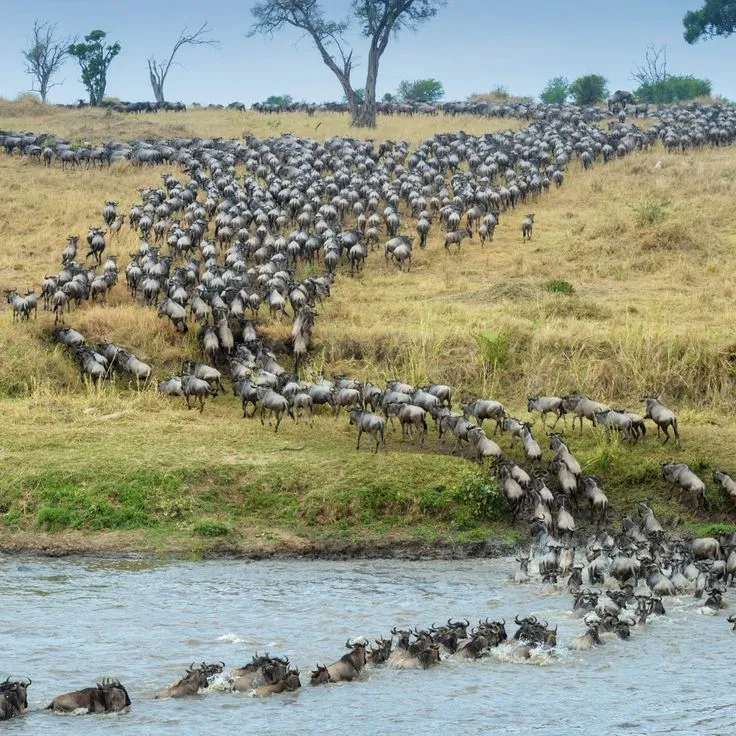
From about July to October, the herds reach the far north and make the dramatic Mara River crossings that most travellers picture. Camps here are remote and usually reached by light aircraft. This is the most in-demand and most expensive part of the park in peak season, so book early.
Great Migration Calendar for 2027
The herds follow rain and fresh grass, so timing shifts a little every year. Use this as a planning guide, not a guarantee. For a deeper month-by-month explanation, read our Great Migration in the Serengeti guide.
| Months | Where the herds usually are | What to expect |
|---|---|---|
| December – March | Southern Serengeti and Ndutu | Calving season, peaking in February; strong predator activity |
| April – May | Moving north through the central and western areas | Long rains, green landscapes, fewer visitors and some camps closed |
| May – July | Western Corridor | Grumeti River crossings and the rutting season |
| July – October | Northern Serengeti and the Masai Mara | Mara River crossings; peak demand and rates |
| November | Heading south through the east and centre | Short rains; herds on the move, good value |
Best Time to Visit the Serengeti
- June to October (dry season): easiest game viewing, cooler mornings, the northern river crossings. Busiest and most expensive.
- January to February: calving in the south, excellent predator sightings and green plains. A favourite with photographers.
- November and early December: short rains, fewer vehicles and better value, with the herds returning south.
- Late March to May: the long rains. Lowest rates and quietest roads, but some camps close and tracks can be muddy.
Weather and wildlife patterns are covered in more detail in our best time to visit the Serengeti and Serengeti climate guide.
Serengeti Park Fees and Entry Rules for 2027
Fees are set by Tanzania National Parks (TANAPA) and are usually included in a full safari package. Published rates, including VAT, are:
- Adult entry: USD 82.60 per person per 24 hours in high season and USD 70.80 in the low season (roughly mid-March to mid-May).
- Children aged 5–15: a reduced rate; children under 5 enter free.
- Concession fee: charged per person per night when you sleep inside the park, typically around USD 59–71.
- Ngorongoro Conservation Area: charged separately if your route passes through it, plus a crater service fee per vehicle for a descent into the crater.
Fees can change at the start of TANAPA's financial year in July, so ask your operator to confirm that all park, concession and VAT charges are shown in your quote.
How to Reach the Serengeti from India
- Fly to Tanzania: most travellers fly into Kilimanjaro International Airport (JRO) with one stop via Doha, Dubai, Addis Ababa or Nairobi. Air Tanzania also flies non-stop between Mumbai and Dar es Salaam.
- Overnight in Arusha: a night in Arusha after the long flight makes the first safari day far more enjoyable.
- Reach the park: a scheduled light-aircraft flight from Arusha reaches Serengeti airstrips such as Seronera or Kogatende in about one to two hours. The scenic road route via the Ngorongoro highlands takes most of a day.
Paperwork: Indian passport holders need a Tanzania visa (the single-entry ordinary visa is USD 50), applied for on the official portal at visa.immigration.go.tz. Since 1 October 2026, visitors entering mainland Tanzania must also buy a mandatory USD 44 inbound travel insurance policy from the National Insurance Corporation (USD 22 for children aged 3–17). You need only one policy, based on where you first enter Tanzania. If your route includes Kenya or a long layover in Nairobi or Addis Ababa, carry a yellow fever certificate for your return to India, and discuss malaria prevention with your doctor.
For flight routings by city, see how to reach Tanzania from India.
Where to Stay in the Serengeti
Choose your base by month first and by comfort second. A beautiful camp in the wrong region during migration season means long drives every day.
- Permanent lodges: solid buildings, pools and wider dining choice, mostly in central Serengeti. Good for families and first-time visitors.
- Luxury tented camps: canvas suites with private bathrooms and an intimate feel, found across the park.
- Mobile migration camps: move with the herds between the south and north, putting you close to the action in season.
Our pick of properties by region is in the best luxury lodges in the Serengeti guide.

How Much Does a Serengeti Safari Cost in 2027?
Costs depend most on season, region, camp category and whether you fly or drive between parks. As planning ranges per person, excluding international flights:
- Premium safari: about USD 1,000–1,500 per safari day, with good camps, park fees, meals and shared or private game drives.
- Luxury safari: about USD 1,600–2,500 per safari day, with better-located camps, stronger guiding and smoother transfers.
- Ultra-luxury safari: from about USD 2,800 per safari day, with top camps, fly-in routing and private vehicles.
Peak months (July to October and late December) cost the most, while November and the long rains are the best value. For a full breakdown of flights, visas, fees and tips, see our Tanzania safari cost guide for Indian travellers and, if your route includes the crater, the Ngorongoro Crater safari cost guide.
Sample Serengeti Itineraries
5 Days: Serengeti Focus
Arrive in Arusha (night 1), fly to central Serengeti for three nights of game drives (nights 2–4), then fly back to Arusha or Kilimanjaro for your departure. Best for travellers short on time who want maximum wildlife.
7 Days: Classic Northern Circuit
Arusha (1 night) → Tarangire (1 night) → Ngorongoro highlands (2 nights, with a crater day) → Serengeti (3 nights). The most popular first safari in Tanzania, with variety from elephants and baobabs to the crater floor and the open plains.
10–11 Days: Bush and Beach
The seven-day circuit above, then a flight from the Serengeti to Zanzibar for three or four nights on the beach. Ideal for honeymoons and families. Our Zanzibar trip cost guide covers the beach part.
Practical Tips for Indian Travellers
- Food: good camps can arrange vegetarian meals with notice. Request Jain or no onion/no garlic meals when you book.
- Luggage: light aircraft usually limit you to about 15 kg per person in soft bags.
- Clothing: neutral colours, layers for cold early mornings, a warm jacket for the Ngorongoro rim, and sun protection.
- Money: carry some clean, recent US dollar notes for tips; cards are accepted at most lodges.
- Tipping: budget roughly USD 10–15 per guest per day for your guide and USD 5–10 for camp staff.
- Private vehicle: worth it for families, photographers and honeymooners, as you control the pace at each sighting.
Plan Your 2027 Serengeti Safari with Luxury Unlocked
We match your travel month to the right Serengeti region, then build the route around flights from your city, dietary needs, family pacing or honeymoon details. Explore our Tanzania safari packages from India, browse the Tanzania destination guide, or plan from Delhi, Mumbai, Bangalore, Hyderabad or Kolkata.
Serengeti Safari Guide 2027 – FAQs
For the Mara River crossings, plan for July to October in the northern Serengeti. For calving and strong predator action, choose January or February in the south. June to October is the easiest dry season for general game viewing, while November offers good value.
Three to four nights inside the park is ideal. Two nights is possible but rushed, especially if you are travelling to the remote north. Most travellers add one or two nights at the Ngorongoro Crater.
Adult entry is USD 82.60 per person per 24 hours in high season and USD 70.80 in the low season, including VAT. A concession fee is added for each night you stay inside the park. Fees are usually included in safari packages and can change each July.
Yes. Indian passport holders need a Tanzania visa, applied for online at visa.immigration.go.tz. The single-entry ordinary visa costs USD 50. Visitors entering mainland Tanzania also need a mandatory USD 44 inbound insurance policy from the National Insurance Corporation.
Neither is simply better. The Serengeti is far larger and offers migration viewing for more of the year, while the Masai Mara is more compact, closer to India and easier for shorter trips. Many travellers choose based on dates, budget and whether they want to add Zanzibar.
Driving via Tarangire and Ngorongoro works well on a classic circuit and adds scenery. Flying saves most of a day each way and is the practical choice for the remote northern Serengeti, short trips and travellers continuing to Zanzibar.
Yes. Choose family-friendly lodges in central Serengeti, a private vehicle so you can set the pace, and an itinerary with rest time. Some camps set minimum ages for game drives or walking activities, so check before booking.
Good lodges and camps can usually arrange vegetarian meals with advance notice. Jain and no onion/no garlic requirements should be shared at the booking stage so each property can prepare.